

Start With Yourself: The TOEIC Reset Adult Test-Takers Need
Many TOEIC test-takers look for a new book, app, or method when their score stops moving. Sometimes the better first step is to examine the behaviour they bring to study and testing.
When a TOEIC score stops moving, many test-takers look outward first.
They look for a better book. A better app. A better teacher. A better strategy video. A better mock test. A better explanation. A better schedule. Sometimes those things do matter, but they are not always the first problem.
A TOEIC score is never shaped solely by the material you use; it is also shaped by the behaviour you bring to that material. This is not about assigning blame or telling serious adult test-takers that they are not working hard enough. Many stuck test-takers are already exerting serious effort. The issue is that they have not yet examined the precise ways they listen, read, review, decide, recover, and manage study pressure.
Sometimes the most important TOEIC reset does not begin with a new resource. It begins with looking clearly at yourself.
This Is Not Self-Blame
Starting with yourself does not mean blaming yourself.
Blame says, “This is my fault.” Diagnosis says, “This is the pattern I need to understand.” Those are completely different positions.
Self-blame usually makes TOEIC study heavier. The test-taker becomes embarrassed by mistakes, defensive about weak areas, or afraid to take another mock test. They may start avoiding the very feedback that would help them improve.
Diagnosis is calmer. It asks what happened without turning the answer into identity. Did you lose focus in Listening? Did you translate too slowly? Did you rush Part 5? Did you overcheck Part 7? Did you memorise words without using them? Did your routine collapse because it was too heavy?
These questions are direct, but they are not cruel. They help the test-taker move from emotion to information.
The Material May Not Be the Main Problem
Many TOEIC test-takers change materials before they understand their own study behaviour.
A new book may help. A new app may help. A new course may help. But if the same behaviour continues, the same score problem may return.
A Passive Listener can listen to better audio and still remain passive. An Over Thinker can buy a clearer grammar book and still hesitate too long. A Translator can use a stronger reading resource and still process every sentence through Japanese. A Speed Trap test-taker can switch apps and still answer before checking evidence. A Memoriser can buy another vocabulary book and still fail to transfer words into real questions. A Burnout test-taker can create a new schedule and still make it too heavy to maintain.
The specific tool may improve, but the underlying test behaviour can stay exactly the same. This is why MTC treats TOEIC as a decision-making test under time pressure; the material matters, but the behaviour matters just as much.
Start With Attention
The first place to look is attention.
How do you actually listen? Are you tracking meaning, or are you simply hearing English sounds? Do you notice when the speaker’s purpose changes? Do you recover after missing one phrase, or do you mentally replay the mistake while the next question begins?
How do you actually read? Are you following evidence, or are you jumping from familiar words to answer choices? Are you reading the question before searching the passage? Are you noticing the difference between an answer that sounds related and an answer that is supported?
Attention is not automatic; it needs training. A test-taker who studies for long hours with weak attention may not improve as much as a test-taker who studies for shorter sessions with sharper focus. This is especially true for busy adults, who often arrive at study already tired from work and life.
Before asking whether your study material is good, ask whether your attention is active enough to use it.
Start With Review
The second place to look is review.
Many test-takers review too lightly. They check the answer, read the explanation, feel they understand, and move on. That feels like review, but it may not change the next decision.
A stronger review asks what kind of mistake appeared. Was the answer correct and confident, correct but unsure, wrong but understandable, or wrong and confused? Did the mistake come from vocabulary, grammar, timing, attention, translation, overthinking, speed, memorisation, or fatigue?
This kind of review is less comfortable because it reveals patterns. It may show that the problem is not one random mistake, but a repeated behaviour that can be trained.
If your score is stuck, your review system may be too shallow. The answer key tells you what was correct. Diagnosis tells you why your decision broke.
Start With Timing
The third place to look is timing.
TOEIC does not only test whether you can eventually understand something. It tests whether you can make the right decision quickly enough.
Some test-takers lose time because they overthink. They check again, translate again, compare again, and wait for perfect certainty. Other test-takers lose accuracy because they rush. They see a familiar word, answer too quickly, and miss the evidence.
Both problems are timing problems, but they need different solutions.
An Over Thinker needs rules for moving on. A Speed Trap test-taker needs rules for slowing down at the exact moment evidence matters. A Translator needs faster direct meaning. A Passive Listener needs better real-time tracking. A Burnout test-taker may need shorter, more focused practice because long sessions make timing worse. Timing is not just a stopwatch issue; it is a behaviour issue.
Start With Energy
The fourth place to look is energy.
Many adult test-takers design study plans as if they have unlimited energy. They plan long sessions after work. They expect perfect concentration late at night. They decide to study every day, then feel guilty when real life interrupts.
This often creates Burnout.
A serious TOEIC plan should respect energy. That does not mean making excuses. It means designing a system that can survive an actual adult week.
If you are tired after work, a 25-minute focused review may be better than a two-hour session that collapses. If weekends are the only time for longer study, protect one serious session instead of pretending every day will be ideal. If your routine fails repeatedly, do not simply demand more discipline. Examine whether the plan is realistic.
Energy is part of performance, and a plan that ignores energy often becomes a plan that disappears.
Start With Honesty
Honesty is one of the most useful TOEIC skills, but it is easy to avoid.
It is easier to say, “The test was hard” than to say, “I did not review my mistakes properly.” It is easier to say, “I need more vocabulary” than to say, “I know many words but do not recognise them quickly.” It is easier to say, “I ran out of time” than to say, “I spent too long on low-value questions.”
Honesty does not need to be harsh; it needs to be specific.
A useful honest statement sounds like this: “I understand the explanation later, but I cannot recognise the pattern under pressure.” Or, “I lose focus after one missed Listening detail.” Or, “I keep changing materials because review makes me uncomfortable.”
Those statements are not failures. They are starting points.
Your Learning Block Shows Where to Start
The six TOEIC learning blocks are useful because they prevent vague self-analysis.
If you are a Passive Listener, start with active listening. If you are an Over Thinker, start with decision rules. If you are a Translator, start with direct meaning. If you are in the Speed Trap, start with evidence checking. If you are a Memoriser, start with transfer. If you are in Burnout, start with a smaller and more sustainable system.
Each block points to a different reset, which matters because many test-takers try to reset everything at once. They change the book, the schedule, the app, the listening routine, the vocabulary method, and the test date all in the same week. That creates movement, but not always progress.
A better reset starts with the highest-impact behaviour.
A One-Week Self-Reset
A useful reset does not need to be dramatic. Start with one week.
During that week, do not try to fix every weakness. Observe your study behaviour carefully. Track where attention breaks. Track where timing fails. Track whether review is specific enough. Track whether your study plan is realistic. Track whether you are avoiding the task that would expose the real problem.
At the end of the week, choose one behaviour to adjust.
If you noticed shallow review, improve the review system. If you noticed overthinking, create decision limits. If you noticed passive listening, add active listening tasks. If you noticed burnout, reduce the plan and protect consistency.
One week of honest observation can save months of random study because it shows where the reset should begin.
Final Thought
Starting with yourself does not mean blaming yourself. It means taking your own study behaviour seriously.
Before changing materials again, look at how you use the materials you already have. Before saying TOEIC is impossible, look at where the decision breaks. Before adding more hours, look at whether the current hours are producing useful feedback.
This is the difference between ordinary study and coaching.
The TOEIC Learning Block Diagnostic is designed to help you see the behaviour behind your score. Once you know whether your main block is passive listening, overthinking, translation, speed, memorisation, or burnout, you can reset your TOEIC study from the correct starting point: not blame, not panic, but clear diagnosis.

TOEIC Stress: Stop Trying to Control the Wrong Things
Many TOEIC test-takers waste energy worrying about other people, past scores, test conditions, company deadlines, or imagined failure. A better strategy is to stop controlling the wrong things and focus on the behaviours that can actually move the score.
Many TOEIC test-takers waste energy trying to control things they cannot control.
They worry about what other people scored. They worry about whether the next test will feel harder. They worry about the room, the speakers, the deadline, the company requirement, the colleague who improved faster, or the old result that still feels embarrassing. While some of those concerns are understandable, most of them do not create better test behaviour.
The useful TOEIC question is not, “How can I control everything?” The better question is, “Which parts of this process are actually mine to control?”
You Cannot Control the Whole TOEIC Environment
A TOEIC test-taker cannot control every condition around the test.
You cannot control which listening accents appear. You cannot control the exact reading topics. You cannot control whether the test room feels perfect. You cannot control whether another person coughs, moves, erases loudly, or finishes faster than you. You cannot control your company’s timing, your colleague’s score, or the fact that an old result already happened.
Trying to control these things creates unnecessary mental noise.
This is especially dangerous because TOEIC already demands attention. Listening requires you to follow meaning in real time. Reading requires you to make decisions under time pressure. If too much attention is spent arguing with things outside your control, there is less attention left for the test itself.
A serious test-taker does not need total control. They need controlled focus.
The Over Thinker Tries to Control Uncertainty
The Over Thinker often struggles because uncertainty feels unsafe.
They want to know the answer perfectly. They want to eliminate every possible doubt. They want to understand why one answer is correct and every other answer is wrong before moving on. In study, that can look careful. In the test, it can become expensive.
Over Thinkers often try to control uncertainty by checking too much. They reread. They compare. They hesitate. They search for absolute certainty even when enough evidence is already available.
The problem is that TOEIC does not give unlimited time for emotional comfort. It asks for a decision.
The better strategy is not careless guessing. It is controlled evidence. An Over Thinker needs clear rules for when to move on. If the grammar evidence is enough, answer. If the speaker’s purpose is clear, answer. If two choices remain and one has stronger evidence, choose and continue.
The goal is not to feel perfectly certain. The goal is to make a responsible decision within the time available.
The Speed Trap Tries to Control Time by Rushing
The Speed Trap test-taker tries to control time in the opposite way.
Instead of overchecking, they rush. They see a familiar word and answer too quickly. They choose the first option that sounds possible. They move fast because they are afraid of running out of time, but that unguided speed creates avoidable mistakes.
This is also a control problem. The test-taker is trying to control the clock by sacrificing evidence. That may feel efficient, but it often damages accuracy. In Part 5, the Speed Trap test-taker may miss a small grammar clue. In Part 7, they may choose an answer that contains familiar vocabulary but does not match the passage. In Listening, they may commit too early and miss a change in meaning.
The better strategy is controlled speed. Some questions should be answered quickly. Others require one extra check. The skill is knowing which moment deserves care, because speed is only useful when it is guided by evidence.
Burnout Comes From Carrying Too Much
Burnout test-takers often try to control everything at once.
They want to fix vocabulary, grammar, listening, reading, timing, mock tests, apps, books, scores, deadlines, confidence, and motivation all at the same time. The study plan becomes too heavy, and the test-taker begins to feel that TOEIC is not one task but an entire second life.
This is not sustainable, and burnout often improves when the test-taker reduces the control load. Instead of trying to repair everything, they need to identify the highest-impact block and build a smaller system around it.
If the main issue is passive listening, do not build a giant all-skills plan. Start with active listening practice. If the main issue is overthinking, do not add more grammar videos. Train decision rules. If the main issue is memorisation without transfer, stop expanding the word list and start testing words in context.
A smaller controlled plan is often stronger than a large emotional plan.
Let Other People’s Scores Be Their Scores
Other people’s TOEIC scores can become a distraction.
A colleague gets a higher score. A friend improves faster. Someone online says they reached 900 in a short time. Another person claims one book changed everything. These stories may be true, exaggerated, incomplete, or irrelevant.
The problem is not that other people exist. The problem is giving their results too much power over your study decisions.
Another person’s score does not diagnose your learning block. Another person’s method does not automatically fit your weakness. Another person’s timeline does not explain your test behaviour.
Use other people’s success as information if it is useful, but do not let it become pressure without diagnosis. Their score is their score. Your job is to understand the behaviour behind yours.
Let the Past Result Be Data
A bad TOEIC result can feel personal. Many test-takers replay it for weeks or months.
They remember the disappointment. They remember the gap between the expected score and the actual score. They remember the section that felt worse than planned. The result becomes emotional evidence that they are not good at English.
This is understandable, but it is not useful.
The past result cannot be changed; it can only be interpreted. If the score becomes your personal identity, it creates unnecessary shame. If the score becomes objective data, it creates direction. Let the old score be finished and focus on extracting the pattern it revealed.
Ask what the result shows. Did Listening fall because you lost concentration? Did Reading fall because timing collapsed? Did you know the content but fail under pressure? Did you study hard but review poorly? Did you rely on memorisation but fail to transfer knowledge into live questions?
Control the Review, Not the Emotion
Many test-takers try to control how they feel about mistakes. They want to feel calm, confident, and positive. But feelings are not always easy to control, especially after repeated score frustration.
Review behaviour is easier to control.
After a mistake, you can decide to classify it properly. Was the answer correct and confident, correct but unsure, wrong but understandable, or wrong and confused? You can decide whether the mistake came from vocabulary, grammar, timing, attention, translation, overthinking, speed, memorisation, or fatigue.
This gives the test-taker something practical to do with the emotion. You do not need to feel happy about mistakes. You need to extract information from them. A mistake that is reviewed clearly becomes useful, while a mistake that is only felt emotionally becomes heavier.
The review is controllable even when the emotion is not.
Control the Weekly System
A TOEIC test-taker cannot control the exact score increase from one week of study. But they can control whether the week has a system.
A good weekly system does not need to be dramatic. It needs to be repeatable.
Choose the key study blocks. Protect the sessions. Decide what each session is for. Include review, not only new questions. Include timing, not only knowledge. Include listening behaviour, not only exposure. Include recovery if burnout is part of the problem.
The weekly system is where control becomes visible. If the week is vague, TOEIC becomes easy to delay. If the week is too heavy, it becomes easy to abandon. If the week is structured around the main learning block, the test-taker has a better chance of building real progress.
Control does not mean doing everything. It means choosing the work that matters most.
Let the Test Be Imperfect
Some test-takers wait for ideal conditions before they trust their practice.
They want the perfect book, the perfect app, the perfect room, the perfect mood, the perfect schedule, and the perfect explanation. When conditions are not ideal, they delay or restart.
This is another control trap. The real TOEIC test will not feel perfect. There may be noise. The questions may feel uneven. Reading may feel longer than expected. Listening may contain moments you wish you could replay. Your energy may not be ideal.
A useful preparation plan includes some imperfect conditions. Not chaos, not punishment, but realistic practice. Do a timed set when slightly tired. Review mistakes when you do not feel motivated. Continue listening after missing one phrase. Practise making a decision with enough evidence rather than perfect certainty.
You are not training for a perfect test. You are training for a real one.
Final Thought
The TOEIC version of “let them” is not passive. It is not giving up. It is not pretending the score does not matter.
It means releasing the things that do not belong inside your control: other people’s scores, old results, perfect conditions, company timing, test-room irritations, and emotional noise that does not improve the next decision.
Then you return attention to what is yours: the weekly system, the review process, the learning block, the timing habit, the listening behaviour, the reading decision, and the recovery after mistakes.
The TOEIC Learning Block Diagnostic is designed to help you see which part of your study behaviour you can control next. Once you know whether your main block is passive listening, overthinking, translation, speed, memorisation, or burnout, you can stop wasting energy on the wrong things and start training the part of the test that actually moves your score.

Time-Wasting TOEIC Habits That Quietly Hurt Your Score
Not every TOEIC study habit is useful. Some habits feel responsible, but they do not change listening, reading, timing, or review behaviour. Here is how to spot the habits that quietly waste your study time.
Some TOEIC study habits look responsible from the outside. You sit at the desk. You open the book. You listen to the audio. You copy notes. You review vocabulary. You take another practice test.
The problem is that not all study changes the score.
A habit can feel productive while doing very little to change listening behaviour, reading behaviour, timing behaviour, or review behaviour. This is one reason many adult test-takers become frustrated. They are not doing nothing. They are often doing quite a lot. But the wrong kind of effort keeps the score in the same place.
The issue is not laziness. The issue is poor feedback. If a study habit does not show you what is breaking under TOEIC pressure, it may be using time without producing progress.
Productive Feeling Is Not the Same as Productive Study
A study habit can feel productive because it is familiar, comfortable, or easy to measure. Finishing a page feels productive. Listening for 30 minutes feels productive. Writing vocabulary in a notebook feels productive. Taking a mock test feels productive.
But TOEIC does not reward the feeling of effort. It rewards accurate decisions under time pressure.
This is why MTC treats TOEIC as a decision-making test, not just an English knowledge test. The important question is not only, “Did I study today?” The better question is, “Did today’s study change the behaviour that is costing me points?”
If the answer is no, the habit may need to be adjusted.
Passive Listening That Never Becomes Active
Many test-takers spend hours listening to English without becoming better TOEIC listeners.
They play audio while commuting. They repeat tracks. They listen again and again. This can help with familiarity, but it is not enough if the listener remains passive.
A Passive Listener may hear sounds, recognise some words, and still fail to track the speaker’s purpose. They may understand individual phrases but miss the change in direction. They may feel that the audio is familiar, but still lose the answer when the test asks for intention, implication, or detail.
Better listening practice needs a task. Before the answer choices even appear, ask what the speaker wants, what has changed, or what the listener is expected to do next. After the question, ask where your attention broke. Did you miss the sound? Did you miss the meaning? Did you understand the words but fail to connect them quickly enough? Listening time becomes useful when it creates active attention.
Vocabulary Collection Without Transfer
Vocabulary study is necessary, but vocabulary collection can become a trap.
Many test-takers write long word lists, copy meanings, highlight unknown words, and feel they have worked hard. The notebook grows, but the score does not move much.
This often happens to the Memoriser. The word exists in the notebook, but it does not appear quickly enough inside a live TOEIC question. The test-taker may recognise the word after the test, but not while reading under time pressure or listening at natural speed.
The problem is not vocabulary itself. The problem is lack of transfer.
A better habit is to test words in context. Can you recognise the word quickly inside a sentence? Can you understand how it changes the meaning of the answer choice? Can you hear it without seeing it? Can you use it to eliminate a wrong answer? Can you recognise related forms, such as a noun, verb, adjective, or phrase? A word list is only useful when it returns to the test.
Rereading Explanations Without Testing Yourself
Reading explanations can feel safe because the explanation makes the answer seem obvious. The danger is that understanding an explanation after the question is not the same as recognising the answer during the test.
This is a common problem for Over Thinkers and Memoriser-type test-takers. They read the explanation, agree with it, and move on too quickly. Later, they miss a similar question because the pattern did not become usable.
A stronger review habit is to close the explanation and explain the answer yourself. Why is the correct answer correct? Why are the wrong answers wrong? What clue should you have noticed earlier? What behaviour caused the mistake?
This turns review from passive agreement into active recall. If you cannot explain the answer without looking, you may not have learned it yet. You may have only recognised the explanation.
Mock Tests Without Proper Review
Mock tests are useful, but only if they produce information. Taking test after test without serious review can waste a large amount of time.
A mock test should not only tell you the score. It should show where the score breaks.
Did Listening fall apart after one missed question? Did Reading slow down in Part 7? Did Part 5 mistakes come from grammar, vocabulary, overthinking, or speed? Did fatigue appear halfway through the test? Did you guess because you lacked knowledge, or because your time management collapsed?
Without this review, the mock test becomes an emotional event rather than a diagnostic tool. A good result creates temporary relief. A bad result creates panic. Neither response is enough because the value of a mock test is not the number alone. The value is the pattern behind the number.
Changing Materials Too Often
Changing materials can feel like progress because it gives the test-taker a fresh start. A new book, new app, new course, or new video series can create energy for a few days.
But changing materials too often can hide the real problem.
If the test-taker is translating too much, the new material will not automatically fix that. If the test-taker rushes answer choices, the new app will not automatically create better evidence checking. If the test-taker avoids review, a new book may simply provide more questions to avoid reviewing properly.
The material may change while the behaviour remains the same. This does not mean you should never change materials. Sometimes you should. But the change should be based on diagnosis, not boredom. Ask what the current material cannot provide. Do you need better explanations, more timed practice, more listening variety, or more realistic review? If you cannot answer that, the new material may only be a distraction.
Studying Favourite Sections
Most test-takers have sections they prefer. Some like vocabulary. Some like grammar. Some prefer Listening because it feels faster. Others prefer Reading because it feels more controllable.
The danger is spending too much time on the section that feels comfortable.
If you always study what you like, your weakest behaviour may stay untouched. A Passive Listener may avoid deep listening review. An Over Thinker may avoid timed practice. A Burnout test-taker may avoid anything that exposes how inconsistent the routine has become. A Memoriser may keep returning to word lists because memorising feels clear and measurable.
Useful study is not always comfortable. It should not be miserable, but it should reveal something. A balanced routine includes some maintenance work and some uncomfortable diagnostic work. The maintenance keeps skills alive, while the diagnostic work moves the score.
Copying Notes That Never Change Decisions
Copying notes can look impressive. A notebook full of neat grammar rules, vocabulary, and explanations can feel like evidence of serious study.
But notes do not improve your score unless they change future decisions.
If you write a grammar rule, can you recognise it quickly in a Part 5 question? If you copy a vocabulary item, can you identify it in a listening passage? If you write a mistake explanation, can you avoid the same trap next time?
A useful note should point to action. Instead of only writing the correct answer, write the decision problem. For example: “I chose too quickly because I recognised a familiar word.” Or, “I understood the explanation but did not notice the clue under time pressure.” Or, “I translated too much and lost the sentence structure.” That kind of note is less decorative, but more useful.
Watching Strategy Content Instead of Practising
Strategy content can be useful. A good explanation can save time, clarify a problem, or show a test-taker what to notice.
But watching strategy content can also become avoidance.
It feels easier to watch another video than to do a timed set. It feels easier to read another article than to review 20 mistakes honestly. It feels easier to search for a better method than to face the repeated pattern in your own answers.
The question is whether the strategy becomes action. After watching or reading, what changed in your next practice session? Did you make better decisions? Did you review more clearly? Did you manage time differently? Did you identify your learning block more accurately? If the answer is no, the content may have become entertainment, not training.
Overchecking Low-Value Questions
Some test-takers waste time not because they are careless, but because they are too careful in the wrong places.
The Over Thinker may spend too long checking questions that were already clear enough. They reread, compare, hesitate, and search for perfect certainty. This feels responsible, but it can quietly damage the whole test.
TOEIC rewards good enough evidence under time pressure. That does not mean careless guessing. It means knowing when the evidence is sufficient and moving on.
A better habit is to classify decisions. Some questions need careful checking. Some questions need a fast, confident answer. Some questions are uncertain but must be controlled because time is limited. The Over Thinker needs rigid, predefined decision rules rather than endless checking loops. The objective is not to become reckless; the objective is to stop spending premium exam time on low-value hesitation.
Better Study Starts With Diagnosis
The fastest way to reduce wasted study time is to diagnose the behaviour behind the mistake.
Do not ask only, “What was the correct answer?” Ask what happened. Did you listen passively? Did you translate too much? Did you rush? Did you overthink? Did you memorise without transfer? Did burnout reduce your concentration?
Once you know the behaviour, the study plan becomes clearer.
A Passive Listener needs active listening tasks. A Translator needs direct meaning practice. An Over Thinker needs decision limits. A Speed Trap test-taker needs evidence checking. A Memoriser needs transfer practice. A Burnout test-taker needs a smaller, sustainable routine.
That is much more useful than adding more hours to a weak system.
Final Thought
Time-wasting TOEIC habits are dangerous because they often look like real study.
You may be listening, reading, copying, reviewing, testing, highlighting, and planning. But if those habits do not change the behaviour that is costing you points, they may only create the feeling of progress.
The solution is not to stop working. The solution is to make the work more diagnostic.
The TOEIC Learning Block Diagnostic is designed to help you identify which behaviour is wasting the most study time. Once you know whether your main block is passive listening, overthinking, translation, speed, memorisation, or burnout, you can stop feeding weak habits and start building practice that actually moves your score.

“I’m Not Good at English” Is Not a TOEIC Strategy
Saying “I’m not good at English” may feel honest, but it does not help you improve your TOEIC score. A better strategy is to identify the specific test behaviour that is holding you back.
Many TOEIC test-takers fall into the same pattern after a disappointing result, telling themselves, “I’m just not good at English.” It sounds honest and may even feel accurate, but as a study strategy, it is almost useless.
The problem is not that the sentence is emotionally false. The problem is that it explains far too much while diagnosing far too little. If you say, “I’m not good at English,” what should you do next? Study everything? Buy another book? Memorise more words? Take more mock tests? Work harder in every direction at once? Trying to fix everything under one broad emotional label creates pressure, but it does not create a clear plan.
TOEIC improvement begins when you stop turning your score into an identity and start treating it as behavioural data.
A Label Is Not a Diagnosis
“I’m not good at English” is a label. It may describe how you feel, but it does not identify what is actually happening during the test.
Are you missing Listening questions because you cannot catch the sound? Because you lose focus after one missed word? Because you hear the words but fail to understand the speaker’s purpose? Because you are still translating too slowly?
Are you missing Reading questions because you do not know the grammar? Because you read too slowly? Because you overthink the answer choices? Because you rush before checking evidence? Because you are exhausted by the final passages?
Each of these problems requires a different solution. A label hides those differences, while a diagnosis reveals them.
This is why MTC does not treat TOEIC as a simple question of talent. TOEIC is a decision-making test under time pressure. The score is influenced not only by English knowledge, but by listening behaviour, reading behaviour, review behaviour, timing behaviour, and recovery behaviour.
TOEIC Rewards Behaviour, Not Just Talent
Some test-takers do have more English experience than others. Some have studied longer. Some have better vocabulary. Some are more comfortable with listening. That is real.
But TOEIC does not simply reward “being good at English” in a general way. It rewards the ability to make accurate decisions under test conditions.
A person may understand English reasonably well but still lose points because they translate too much. Another person may know many words but fail to recognise them quickly in a question. Another may understand explanations after the test but still choose the wrong answer under time pressure.
Those are not personality defects. They are trainable behaviours. When a test-taker says, “I’m not talented,” the danger is that they stop looking for the specific behaviour that can be changed. They treat the score as proof of identity instead of evidence of a pattern, and that is how self-blame blocks improvement.
What “Not Good at English” Often Hides
The phrase “not good at English” can hide many different TOEIC problems.
For a Passive Listener, it may hide the fact that they are hearing English without actively tracking meaning. They play audio, repeat practice, and recognise some words, but they do not follow the speaker’s purpose quickly enough.
For a Translator, it may hide a processing problem. The test-taker may understand English slowly, but TOEIC requires direct meaning under pressure. If every sentence needs to pass through Japanese first, the test becomes too heavy.
For an Over Thinker, it may hide decision anxiety. The test-taker may know enough to answer, but they hesitate, recheck, and chase perfect certainty until time disappears.
For a Speed Trap test-taker, it may hide careless early decisions. They move quickly, but they do not always confirm the evidence before answering.
For a Memoriser, it may hide poor transfer. The test-taker may know many words and rules in isolation, but those items do not appear quickly enough inside real TOEIC questions.
For a Burnout test-taker, it may hide exhaustion. The real bottleneck may not be weak intelligence, but a study system that is too heavy, too guilt-driven, or too inconsistent to maintain. One emotional label cannot solve six different behavioural problems.
Talent Thinking Creates the Wrong Plan
Talent thinking usually creates one of two bad plans.
The first plan is surrender. The test-taker thinks, “I am not good at English, so maybe TOEIC is just not for me.” They study less, avoid feedback, or keep the goal vague because the result feels too personal.
The second plan is overwork. The test-taker thinks, “I am not good at English, so I must study everything harder.” They add more vocabulary, more grammar, more listening, more tests, and more pressure without identifying the real bottleneck.
Both plans are weak because neither starts with diagnosis.
A better plan asks narrower questions. What type of mistake repeats? What happens under time pressure? Which part of the test creates the most unstable decisions? Which answer choices attract you even when they are wrong? Which review notes appear again and again?
Those questions are less emotional, but they are far more useful.
Replace Identity With Test Behaviour
Instead of saying, “I’m not good at English,” replace the identity statement with a behaviour statement.
“I lose the main point in Part 3 when the conversation changes direction” is useful. “I spend too long choosing between two Part 5 answers” is useful. “I understand the explanation later, but I cannot recognise the pattern quickly during the test” is useful. “I rush Part 7 because I panic about time” is useful.
These statements are not softer. They are stronger because they point to action.
A behaviour statement allows coaching. It tells you what to practise, what to measure, and what to change. It also protects your confidence because the problem becomes specific instead of personal.
You are no longer trying to fix your identity. You are training a behaviour.
Review Should Show More Than Right and Wrong
Many test-takers review answers too simply. They mark the question as correct or wrong, read the explanation, and move on.
That is not enough.
A better review system asks whether the answer was correct and confident, correct but unsure, wrong but understandable, or wrong and confused. This matters because a correct answer is not always stable. A test-taker can answer correctly by luck, by partial recognition, or by eliminating weak choices without fully understanding the reason.
The review should also ask what kind of behaviour appeared. Did you translate too much? Did you rush? Did you overthink? Did you lose concentration? Did you remember the rule but fail to apply it? Did you know the word but miss the meaning in context?
This kind of review turns the score into information. It stops the test-taker from saying, “I am bad at English,” and pushes them towards, “This is the behaviour I need to train next.”
Confidence Comes From Evidence
Confidence does not grow because you tell yourself to be positive. It grows because you collect evidence that your behaviour is changing.
If you are a Passive Listener, confidence grows when you can track speaker purpose more consistently. If you are a Translator, confidence grows when you recognise meaning without converting every sentence. If you are an Over Thinker, confidence grows when you answer with enough evidence and move on. If you are in the Speed Trap, confidence grows when you slow down at the exact moment evidence matters. If you are a Memoriser, confidence grows when stored knowledge transfers into live questions. If you are in Burnout, confidence grows when you can repeat a smaller routine without collapsing.
This is why vague motivation or artificial positivity is not enough. A serious test-taker does not need to pretend they feel confident; they need a system that consistently produces evidence of better test-room decisions. Real confidence follows stabilised behaviour.
What To Do This Week
This week, do not try to solve “English”. That target is too large.
Choose one repeated TOEIC behaviour and study it closely. Pick one Listening weakness, one Reading weakness, or one review pattern. Work with a small enough set of questions that you can actually see what is happening.
After each mistake, do not write only the correct answer. Write the behaviour. Did you miss the sound? Did you translate? Did you rush? Did you overcheck? Did you guess from a familiar word? Did you lose focus because the passage felt long?
This kind of practice may feel slower than simply doing more questions, but it gives you better information. Once the behaviour is clear, the next study step becomes much easier to choose.
The goal is not to prove that you are good or bad at English. The goal is to identify the behaviour that is blocking the next score improvement.
Final Thought
“I’m not good at English” may feel honest, but it is not a TOEIC strategy.
It is too broad. It creates pressure without direction. It turns a test result into an identity and makes improvement feel heavier than it needs to be.
A better question is: what exactly is happening when your score breaks down?
That question leads to diagnosis. Diagnosis leads to better practice. Better practice leads to better test behaviour.
The TOEIC Learning Block Diagnostic is designed to help you move from self-blame to specific action. Once you know whether your main block is passive listening, overthinking, translation, speed, memorisation, or burnout, you no longer need to fight the vague idea that you are “not good at English”. You can start training the part of the test that is actually holding your score back.
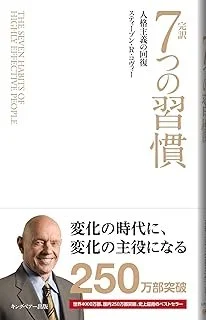
Begin with the End in Mind: Stop Overthinking and Clarify Your TOEIC Goal
Stuck in the Over Thinker Block? Learn how to "Begin with the End in Mind" from The 7 Habits. This article reveals a simple "3 Why Layers" exercise to transform your TOEIC goal from just a number into a powerful, life-driven mission.
“I don’t know where to start.”
You open a TOEIC textbook.
You scroll through online tips.
You try to make a perfect study plan.
But every option leads to more questions.
You feel stuck in a loop of planning and doubting.
This is The Over Thinker Block.
The Over Thinker Block — Lost in Details, Moving Nowhere
Overthinkers are not lazy.
They care too much.
They want to succeed, so they try to cover everything.
But TOEIC is a trap of endless resources.
If you don’t define your purpose,
you’ll waste time trying to do everything, but achieving nothing.
Begin with the End in Mind — Define Your “Why” Before You Start
In The 7 Habits of Highly Effective People, Stephen Covey teaches:
“All things are created twice. First in the mind, then in reality.”
Most learners jump into study tasks without a clear vision of where they’re going.
Covey’s principle teaches you to first visualize the outcome — your "why" — and then design your daily actions to match.
When your goal is clear, every task becomes meaningful.
You stop being reactive. You start being intentional.
MTC’s Truth: Clarifying Your TOEIC Goal is Clarifying Your Life Direction
At MTC, we believe TOEIC is not just a test.
It’s a mirror of how you approach life.
If you’re lost in TOEIC details, you’re probably lost in life’s details too.
Clarifying your TOEIC goal is practice for defining what truly matters in your life.
When you train your mind to “begin with the end in mind” for TOEIC,
you’re building the life skill of intentional action.
ALT Habit: The “3 Why Layers” Goal Clarification Exercise
Here’s how to transform your vague TOEIC goal into a life-driven mission:
Write down your TOEIC goal.
Example: “Score 700.”Ask: Why do I want this score?
Example: “To qualify for a promotion.”Ask: Why do I want that promotion?
Example: “To gain financial freedom.”Ask: Why is that financial freedom important?
Example: “So I can support my family and feel secure.”
Now, your study is no longer about "getting a score."
It’s about fulfilling a meaningful life goal.
Why This Works (Even If You’ve Been Stuck Planning Forever)
It gives every study session a deeper purpose. You know why you’re doing it.
It cuts through overwhelm. You stop chasing every tip and focus on tasks that move you closer to your “end.”
It shifts your identity. You’re not just a “TOEIC test-taker.” You’re someone designing your life with clarity.
A TOEIC Goal is Not Just a Number — It’s a Mirror of Your Life’s Purpose
TOEIC is just a tool.
The real win is not the score.
The real win is becoming the kind of person who defines their purpose and takes action toward it.
When you Begin with the End in Mind,
you stop reacting to your environment.
You become the creator of your learning journey — and your life.
Want to Learn More?
Our blog is full of practical strategies that help test-takers like you build better habits, overcome common blocks, and improve TOEIC scores through smarter, easier methods. Try our free TOEIC Block quiz now!
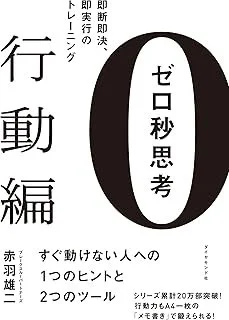
Stop Overthinking: The Zero-Second Thinking Habit for TOEIC
Do you overthink every TOEIC question? It’s a trap that makes you slow. Discover the "Zero-Second Thinking" mindset and learn a simple "1-Second Problem ID" drill to train your brain to make fast, accurate decisions without hesitation.
考えすぎを止める「ゼロ秒思考」の習慣:TOEICで迷わない脳を作る
“I always get stuck thinking too much.”
You see a TOEIC question.
Your brain starts spinning:
“What’s the trick here?”
“Should I eliminate wrong answers first?”
“What if I miss a detail?”
And by the time you’re ready to answer…
The timer’s almost up.
If this is you, you’re trapped in The Over Thinker Block.
The Over Thinker Block — Paralysis by Analysis
Overthinking feels safe.
You think, “If I analyse more, I’ll get it right.”
But in TOEIC, overthinking is a trap.
Every extra second you spend “double-checking” is a second lost from the next question.
The result?
You run out of time.
You get exhausted.
Your accuracy drops.
The Zero-Second Thinking Mindset — Decide Instantly, Act Clearly
In Zero-Second Thinking, Akira Ishikawa teaches this core principle:
“The faster you think, the clearer your mind becomes.”
It sounds backwards.
But it works.
Instead of sitting with thoughts and “figuring them out,”
you train yourself to decide instantly and move.
This stops analysis paralysis.
It clears mental clutter.
And it builds speed without losing accuracy.
MTC’s Truth: TOEIC Success Comes from Fast, Focused Thinking — Not Endless Analysis
At MTC, we see this mistake every day:
Learners believe that if they just “think harder,” they’ll find the answer.
But TOEIC rewards quick decision-making.
Success comes from identifying the core problem in a question — instantly.
The deeper you think, the slower you get.
ALT Habit: The “1-Second Problem ID” Drill
Here’s a simple way to practice Zero-Second Thinking for TOEIC:
Take a Part 5 or Part 7 question.
Before reading all the details, ask yourself:
“What is this question really asking?”Give yourself 1 second to answer that. Not 5. Not 10. Just 1.
Then proceed to solve it.
At first, you’ll feel rushed.
But with practice, your brain learns to cut the noise and spot the core issue immediately.
Why This Works (Even If You’re Used to Overthinking Everything)
It forces clarity. You stop wandering through options and focus on the problem.
It speeds up processing. You condition your brain to act, not hesitate.
It reduces mental fatigue. Less time stuck in your head means more energy for the next question.
Overthinking Feels Smart — But It’s Holding You Back
You don’t need to “analyze more.”
You need to decide faster.
Zero-Second Thinking isn’t reckless.
It’s a skill.
A muscle.
The more you practice instant clarity,
the more confident, accurate, and fast you’ll become.
Start training your 1-second brain today.
That’s how you’ll stop overthinking and start scoring.
Want to Learn More?
Our blog is full of practical strategies that help test-takers like you build better habits, overcome common blocks, and improve TOEIC scores through smarter, easier methods. Try our free TOEIC Block quiz now!

The Elephant's Big Dream: Why Your TOEIC Goal is Not Your Problem
Your big TOEIC goal is paralyzing you. Inspired by The Elephant Who Grants Wishes, discover how to break the Over Thinker Block by turning your big dream into a single, small daily task. Learn how stacking tiny victories is the real secret to achieving a high score.
ゾウの大きな夢:あなたのTOEIC目標は問題ではない
“My goal is too big… I don’t know where to start.”
You want a high TOEIC score.
You dream of changing jobs, studying abroad, or proving your skills.
But every time you sit down to study, that big goal feels like a heavy weight.
You think:
“I need a perfect study plan.”
“I need to figure out the fastest way.”
“I need to fix everything at once.”
And you end up doing… nothing.
If this is you, you’re stuck in The Over Thinker Block.
The Over Thinker Block — Paralyzed by The “Perfect Plan” Illusion
The Over Thinker Block happens when you believe you need to solve the entire TOEIC problem before you can start.
You over-plan, over-analyse, over-worry.
You’re so busy thinking about the mountain, you never take the first step.
Ganesha’s Lesson: Big Dreams Are Built from Small, Repeated Actions
In The Elephant Who Grants Wishes, Ganesha teaches the main character that dreams don’t come true by making perfect plans.
They come true by doing small tasks, over and over.
Want to be rich?
Start saving 100 yen a day.
Want to be successful?
Start greeting people properly.
Dreams are not achieved through big, dramatic actions.
They’re built from small habits that compound over time.
MTC’s Truth: Your TOEIC Goal is Fine — Your Focus is What’s Broken
You don’t need to lower your TOEIC goal.
You don’t need to have it all figured out.
The problem is where you’re focusing.
At MTC, we teach this:
Stop thinking about the 600+ score.
Start thinking about the 1 action you can take today.
That’s where progress starts.
ALT Habit: Break The Goal into a One-Today Task
Here’s a practical way to stop overthinking and start moving.
Write down your TOEIC goal (e.g., “Score 700 in 6 months”).
Under it, write: “What can I do today to move 1% closer?”
Pick one small, specific action (e.g., “Review yesterday’s mistakes for 5 minutes.”)
Do it.
That’s it.
One day. One task. One small win.
Why This Works (Even If You’ve Been “Stuck” for Months)
It removes mental overload. You stop worrying about everything and focus on one thing.
It builds visible momentum. Daily small wins create real progress.
It reduces failure fear. You’re not betting on “big efforts” — you’re stacking tiny victories.
Big Dreams Are Not Achieved — They Are Built, Brick by Brick
You don’t need a perfect plan.
You don’t need to solve everything today.
You need a system where small actions build into big outcomes.
The Elephant doesn’t grant wishes with magic.
He grants them with habits.
Start with one small action today.
That’s how big dreams become real.
Want to Learn More?
Our blog is full of practical strategies that help test-takers like you build better habits, overcome common blocks, and improve TOEIC scores through smarter, easier methods. Try our free TOEIC Block quiz now!

The Courage to Be Average: Why Comparing Your TOEIC Score Will Make You Miserable
Why does comparing your TOEIC score to others lead to stagnation? It’s an endless race. Discover the "Courage to Be Ordinary" mindset and a simple "1% Better" habit to stop competing sideways and start focusing on the only thing that matters: your own progress.
You check your friend’s TOEIC score.
They got 850. You’re still at 680.
Suddenly, your own score feels small. Weak. Not enough.
So you study harder, trying to catch up.
But instead of feeling motivated, you feel tired. Frustrated. Stuck.
This is called Score Stagnation — and comparing yourself to others is the fastest way to get there.
The Problem with Competing Against Everyone
The book The Courage to Be Disliked has a powerful idea:
“The Courage to Be Ordinary.”
It means this:
You don’t need to beat anyone.
You don’t need to be “the best.”
You just need to be you, moving at your own pace.
But when you start comparing scores with friends, coworkers, or random strangers online,
you create a race that never ends.
No matter how high you score, someone will always be higher.
That cycle will exhaust you.
MTC Truth: Your Only Rival is Your Last Score
At My TOEIC Coach (MTC), we say this clearly:
Stop comparing sideways. Start comparing forward.
Your goal isn’t to “win” against your classmates.
Your goal is to improve on your last performance.
If last month you were 650, aim for 660.
That’s it.
Progress is a quiet, personal game.
And it’s the only game where you will always win — if you keep going.
The “1% Better” Habit — How to Break Score Stagnation
Here’s a simple MTC drill to stop the comparison loop and focus on real progress.
✅ After every practice session, write down one small improvement.
Example:
“Today, I answered Part 2 questions faster.”
“I noticed more signal words in Part 7.”
“I reviewed yesterday’s mistakes.”
✅ Forget the score. Track the habits.
The score will follow.
This habit turns your attention away from others and back to where it belongs — on you.
Why This Works
It builds a success loop. Every small win counts, keeping you motivated.
It protects your energy. You stop wasting time on other people’s numbers.
It gives you control. You always decide your next move.
You Don’t Need to Be “Better Than Them.”
You Just Need to Be “Better Than Yesterday.”
The courage to accept being “average” isn’t weakness.
It’s freedom.
When you stop competing sideways, you’ll notice something powerful:
You’ll start moving forward, quietly, but surely.
That’s real success.
That’s MTC style.
Want to Learn More?
Our blog is full of practical strategies that help test-takers like you build better habits, overcome common blocks, and improve TOEIC scores through smarter, easier methods. Try our free TOEIC Block quiz now!

Are You Studying for Your Boss? The TOEIC “Social Pressure” Trap
Are you paralyzed by the fear of a bad TOEIC score? It’s a "Social Pressure Trap" rooted in worrying about what others think. Discover the "Separation of Tasks" mindset and a simple "3-Second Pause" habit to beat the Over Thinker Block and regain your focus.
Have you ever thought,
“I need a good TOEIC score or my boss will think I’m useless…”
Or
“If I fail again, my coworkers will laugh at me…”?
If so, you are not alone.
This is called The Social Pressure Trap — and it’s a huge reason why many learners get stuck.
You’re not dumb. You’re not lazy.
You’re just stuck in your own head, worrying about what other people think.
This kind of overthinking is what we call The Over Thinker Block.
Whose Problem Is This, Really? — The “Separation of Tasks” Mindset
In the book The Courage to Be Disliked, Adlerian Psychology teaches a powerful idea:
“What others think of you is their task. Not yours.”
It sounds simple, but it changes everything.
Your task is to do your best study today.
Their task is to decide what they think of you.
You don’t control their task.
You only control yours.
But when you mix up these tasks,
you start to study for your boss, your teacher, your coworkers…
And that pressure crushes your focus.
MTC Truth: Your Score is Your Task. Their Opinion is Theirs.
At My TOEIC Coach (MTC), we’ve seen this Over Thinker Block so many times.
Learners aren’t stuck because they don’t know enough.
They’re stuck because they’re carrying tasks that don’t belong to them.
Your job is not to control what your boss or friends think.
Your job is to build small, winnable habits — so your score will speak for itself.
But first, you need a habit that breaks the Overthinking loop.
The “3-Second Pause” Habit — Stop the Overthinking Spiral
Here’s a simple ALT drill to reset your brain when overthinking kicks in.
✅ When you feel that “What will people think of me?” pressure,
stop and take a 3-second pause.
In those 3 seconds, silently say to yourself:
“That’s not my task.”
Then, shift your focus to a small action:
Read the next TOEIC question.
Look at the answer choices.
Breathe.
This 3-second habit trains your brain to separate your task from theirs.
It brings you back to what you can control — your next move.
Why This Works
It interrupts the anxiety loop. You can’t overthink while you’re pausing.
It re-centres your focus. You stop thinking about people who aren’t even in the room.
It turns emotional pressure into a physical action. Simple. Repeatable.
You’re Not Studying for Them. You’re Studying for You.
The Over Thinker Block is not a study problem.
It’s a task problem.
You can’t control what people think of your TOEIC score.
But you can control how you react to that pressure.
Start with a 3-second pause.
Separate what’s yours and what’s not.
And watch how fast your focus comes back.
Want to Learn More?
Our blog is full of practical strategies that help test-takers like you build better habits, overcome common blocks, and improve TOEIC scores through smarter, easier methods. Try our free TOEIC Block quiz now!