
🚗 What’s Driving Your Success?
Many TOEIC learners make a crucial mistake: they know the "rules" but can't perform under pressure. Before you tackle past questions, master these 3 essential test-day skills – knowing the controls, building muscle memory, and practicing under pressure – to truly shift from student mode to high-scorer mode with Accelerated Learning.
Before You Tackle Past Questions, Master These 3 Test-Day Skills
Imagine this:
You’re about to take your driver’s test.
You’ve read the manual cover to cover.
You know all the traffic laws.
But… you’ve never actually driven on a real road.
Would you pass?
Probably not.
And that’s the mistake many TOEIC learners make.
They study about the test. They review vocabulary. They take notes.
But when it comes to past questions — they freeze, stall, or crash under pressure.
Here’s the truth:
TOEIC is less like a school test, and more like a driving exam.
You need reflexes, timing, and control — not just knowledge.
Before you dive into full mock tests or past papers, make sure you’ve mastered these three road-ready skills.
1. Know the Controls
You don’t want to figure out how the brake works after the car starts moving.
Same with TOEIC.
Can you quickly recognize the question type before reading?
Do you know where to look for traps?
Can you navigate the test without second-guessing your next move?
This is where many learners lose time. Not because of English ability — but because they fumble with the controls.
2. Build Muscle Memory
Driving well isn’t about thinking — it’s about reacting.
Same with TOEIC.
You need to train patterns, not just understand them:
Part 2: Hear the question → anticipate traps → select quickly
Part 5: Spot the grammar issue → check your 3-second instinct
Part 7: Scan for the purpose → skip the fluff
Without repetition, your brain can’t shift from slow logic to fast action.
That’s why mock tests feel so hard — you’re still in “student mode.”
3. Practice Under Pressure
Anyone can drive in an empty parking lot.
Real test-day driving? That’s traffic, time limits, and surprise turns.
Your test performance depends on:
Staying calm when the timer is ticking
Pushing through mental fatigue
Making decisions when you’re not 100% sure
If you’re only practicing in calm, low-pressure conditions, the real test will hit like a storm.
Start stress-testing yourself in small ways now — not later.
Ready to Shift Gears?
Solving past questions isn’t the start of your prep — it’s the test drive.
Before that, make sure you can:
✅ Handle the controls
✅ Drive on instinct
✅ Perform under pressure
That’s what Accelerated Learning for TOEIC is all about.
You’re not just studying English — you’re learning how to drive it.
Want to Learn More?
Our blog is full of practical strategies that help test-takers like you build better habits, overcome common blocks, and improve TOEIC scores through smarter, easier methods. Try our free TOEIC Block quiz now!

Don’t Just Study. Exercise: How to Boost Your TOEIC Focus and Memory
You're studying hard, but nothing sticks. The problem isn't what you study, but how. Discover how movement supercharges your brain's processing power. This article, inspired by The Exercise Brain, reveals a "Walking Dictation Drill" to beat the Passive Listener Block and Speed Trap.
“I study, but nothing sticks.”
You read.
You listen.
But when it’s time to recall the information, your mind goes blank.
You’re not lacking intelligence.
Your brain is stuck in The Passive Listener Block or Speed Trap.
The problem isn’t what you’re studying — it’s how your brain is processing it.
Exercise Supercharges Your Brain’s Processing Power
In The Exercise Brain, Anders Hansen explains:
Exercise is the most effective way to improve focus, memory, and processing speed.
Here’s why:
Dopamine and norepinephrine increase — boosting attention and learning efficiency.
Hippocampus activation improves — enhancing memory retention.
Cognitive flexibility rises — your brain gets faster at switching tasks and problem-solving.
In simple terms:
Movement makes your brain sharper and faster at learning.
MTC’s Truth: Exercise is Not a Break From Study — It’s a Way to Study Smarter
Many TOEIC learners separate “study time” and “exercise time.”
At MTC, we merge them.
Physical activity enhances study performance.
When combined with a micro-learning task,
exercise transforms from “lost time” to “brain-boosted study.”
ALT Habit: The “Walking Dictation Drill” for Listening and Focus
Here’s a simple habit that fuses exercise with effective TOEIC practice:
Walking Dictation Drill:
Choose a short TOEIC Part 3 or Part 4 audio clip.
Put on your headphones and go for a walk.
As you listen, mentally repeat key phrases out loud or silently.
Stop every minute and jot down (on your phone or small notepad) any keywords or expressions you remember.
Continue walking and repeat.
Why This Works (Even If You’re Easily Distracted)
Boosts auditory processing. Walking helps your brain stay alert and responsive.
Enhances memory recall. Physical movement triggers hippocampus activity, improving retention.
Combines physical and mental focus. Multitasking in this way builds sharper, more flexible cognitive control.
You’re Not a Machine — But You Can Hack Your Brain Like One
Sitting still isn’t always the best way to learn.
The human brain evolved to learn while moving.
By combining light physical activity with listening or reading drills,
you’re tapping into a natural learning boost.
You don’t need more hours at the desk.
You need smarter study movement systems.
Start with 10–15 minutes of Walking Dictation.
Feel your focus sharpen.
Watch your retention rise.
Want to Learn More?
Our blog is full of practical strategies that help test-takers like you build better habits, overcome common blocks, and improve TOEIC scores through smarter, easier methods. Try our free TOEIC Block quiz now!

Read Like a Test-Taker, Not a Student
Why are you stuck on TOEIC Reading, even though you understand the passages? Most people treat it like an English test, but it's a performance test. Discover why "understanding" isn't enough and how to train like a high-scorer with Accelerated Learning Technology (ALT) to beat the clock and the traps.
Why Understanding Isn’t Enough on the TOEIC Reading Section
Most people fail the TOEIC Reading section for one simple reason:
They treat it like an English test.
They study vocabulary.
They understand the passages.
They read carefully.
But TOEIC Reading isn’t testing your English.
It’s testing your ability to perform under pressure, make fast decisions, and avoid traps.
In short:
It’s not about how well you read. It’s about how well you test.
🎯 You’re Not in English Class Anymore
In school, reading means taking your time.
Understanding everything.
Thinking deeply.
Writing thoughtful answers.
That’s what students do.
But on the TOEIC?
You don’t have time to read everything
You don’t get points for understanding the main idea
You don’t get rewarded for deep analysis
You get one thing:
A score based on how many questions you get right — fast.
This means the people who get high scores are not always the ones with the best English.
They’re the ones who read like test-takers.
🕒 What the Test Is Really Measuring
The TOEIC Reading section is a time trap.
You have 75 minutes to get through 100 questions — and most people don’t finish.
Here’s what it’s actually measuring:
Can you spot the answer quickly without rereading?
Can you skip details that don’t matter?
Can you stay focused when your brain starts to fade in Part 7?
Can you guess strategically when you don’t know?
Can you manage time across all sections?
If you read slowly and carefully — like a student — you will lose.
🧠 What Test-Takers Do Differently
Here’s how high scorers approach the reading section:
1. They scan, not read
They train their eyes to jump to keywords, numbers, and transitions. They don’t read top to bottom.
2. They predict the question type
Even before the answers appear, they know what kind of trap to expect — and what information to hunt for.
3. They move on fast
If they don’t know, they don’t panic. They guess, mark it, and come back only if they have time.
4. They stick to a plan
They know how much time to spend on each section — and they follow it. No wandering. No daydreaming.
5. They don’t aim for 100% understanding
They aim for one thing: the correct answer. If they understand 60% of the passage but find the right answer — that’s a win.
🧩 The Problem with “I Understood It…”
A lot of learners say:
“But I understood the passage.”
“Why was my answer wrong?”
Because TOEIC is full of trap answers that sound right — but don’t match the question.
If you’re not reading with purpose, you’ll fall for them.
Think of it like this:
You don’t need to admire the building.
You need to find the fire exit. Fast.
🔁 Train Your Brain Like a Test-Taker
Accelerated Learning for TOEIC (ALT) is based on how the brain performs best in test conditions — not classroom ones.
Here’s how we train:
Time everything — even your review
Practice under pressure with real pacing
Repeat small chunks (Part 5/6 sets) until your decision-making becomes automatic
Track where you lose time — not just where you got it wrong
Build stamina so your brain is still sharp at question 98
We don’t teach you how to read better.
We teach you how to beat the test.
🔚 Final Thought: Language vs. Strategy
Your English might be good.
But if your strategy is weak, your score will stay low.
So stop reading like a student.
Start thinking like a test-taker.
Understand just enough.
Decide quickly.
Keep moving.
That’s how high scorers do it.
Want to Learn More?
Our blog is full of practical strategies that help test-takers like you build better habits, overcome common blocks, and improve TOEIC scores through smarter, easier methods. Try our free TOEIC Block quiz now!

The Exercise Brain: Your Secret Weapon Against TOEIC Burnout
Skipping exercise doesn't save time; it sabotages your study. Discover why your brain needs movement to beat burnout. This article, inspired by The Exercise Brain, reveals how a simple "10-Minute Reset Walk" can restore focus, boost memory, and make your TOEIC study effective.
“I don’t have time to exercise. I need to study.”
Sound familiar?
You’re busy.
You’re under pressure to improve your TOEIC score.
So you tell yourself:
“I’ll exercise after I get my score.”
“I can’t waste time walking when I should be studying.”
But here’s the truth:
Skipping exercise is making your study harder.
You’re stuck in The Burnout Block.
The Burnout Block — When Studying More Gives You Less
Burnout isn’t about laziness.
It’s a brain system failure.
You push yourself harder.
You sit longer at your desk.
But the more you force it, the slower your brain gets.
Mental fatigue builds up.
Stress hormones like cortisol stay high.
Your ability to concentrate and remember drops.
This is The Burnout Block.
It’s not a motivation problem — it’s a brain chemistry problem.
The Exercise Brain — Why Movement Recharges Your Mind
In The Exercise Brain, Anders Hansen explains:
Exercise is not a distraction from thinking — it’s the switch that turns your brain back on.
Here’s what happens when you move your body:
Dopamine increases — your motivation and focus chemicals rise.
Serotonin balances — mood and emotional control stabilize.
BDNF (Brain-Derived Neurotrophic Factor) increases — a protein that acts like “brain fertilizer,” helping you grow new neural connections and improving memory.
In short:
Exercise repairs the very brain functions that burnout damages.
MTC’s Truth: Exercise Isn’t “Optional” — It’s Part of Your Study System
Most TOEIC learners believe they must choose:
Study or Exercise.
At MTC, we teach this instead:
Exercise is “active recovery” for your brain.
It’s a core part of your study system, not a luxury.
Skipping it isn’t saving time — it’s sabotaging your mental performance.
ALT Habit: The “10-Minute Reset Walk”
You don’t need a gym.
You don’t need fancy equipment.
You need 10 minutes.
Here’s how to integrate exercise into your study system:
Before your next TOEIC study session, set a timer for 10 minutes.
Go for a simple walk — outside, around your home, anywhere.
While walking, breathe deeply and focus on relaxing your shoulders and neck.
Come back and start your study session.
Why This Works (Even If You Feel Too Busy to Exercise)
It lowers cortisol levels. Walking naturally reduces stress hormones that block learning.
It boosts attention span. A short walk improves your focus for the next 30–60 minutes.
It primes your brain for retention. BDNF production enhances your ability to absorb and recall new information.
You Can’t Fix Burnout by Sitting Still
Studying harder won’t fix a brain that’s burned out.
But moving — even just 10 minutes a day — can.
Exercise isn’t a reward after studying.
It’s the tool that makes your study effective.
If you want a sharper, calmer, faster-thinking brain for TOEIC,
start walking.
Want to Learn More?
Our blog is full of practical strategies that help test-takers like you build better habits, overcome common blocks, and improve TOEIC scores through smarter, easier methods. Try our free TOEIC Block quiz now!

TOEIC Listening: Why a Perfect Score Takes More Than Just Hearing Everything
Your TOEIC Listening score is stuck at 470, even though you understand most of the audio. The truth is, a perfect 495 isn't just about hearing English; it's about reacting strategically under pressure. Discover how to shift from passive listening to targeted reaction training with ALT to finally achieve that perfect score.
You train your ears.
You understand most of the audio.
You rarely get completely lost.
And still — your Listening score is stuck at 460, 470… maybe 480.
“But I understood the whole conversation!”
“I heard every word — why did I miss the answer?”
Getting a perfect score in TOEIC Listening isn’t just about hearing English.
It’s about how you respond under pressure — and whether you’re really listening the way the test requires.
🎧 Perfect Listening ≠ Perfect Score
Let’s be clear: understanding the audio is essential.
But it’s not enough.
The TOEIC test isn’t just checking if you hear the English.
It’s checking if you can:
Process quickly
Predict structure
Filter distractions
Identify exactly what the question is testing
Make the best decision in 1–2 seconds
Many high-level learners fall into the trap of thinking:
“If I understand everything, I should get full marks.”
But TOEIC isn’t testing your ears.
It’s testing your reactions.
🧠 The Real Skills Behind a Perfect Score
Here’s what top scorers train — beyond just listening:
1. Focused Attention
You don’t need to understand everything.
You need to catch the one sentence that links directly to the question.
2. Question Strategy
Can you guess what kind of question it is — even before the audio starts?
Do you know where to focus in:
Who is speaking?
What is the problem?
What action is being taken?
Top scorers train themselves to listen with purpose — not passively.
3. Answer Choice Anticipation
Many wrong answers are designed to sound correct.
You need to listen not just to what is said, but to what the question is really asking.
⚠️ Common Reasons People Miss a Perfect Score
You get distracted for just 2 seconds — and miss a key phrase
You understand the words — but misread the question
You choose too fast — and fall into a trap answer
You hesitate — and miss the chance to choose in time
You over-listen — trying to understand everything instead of what matters
✅ How to Train for 495 — The Real Way
If your goal is a perfect 495, your training needs to change from “just listening” to “targeted reaction training.”
Here’s what Accelerated Learning for TOEIC (ALT) recommends:
🎯 Practice identifying the purpose of the conversation (not just the topic)
⏱️ Time yourself on how fast you decide — aim for confidence, not hesitation
🔁 Listen again and ask: “Which line actually gave me the answer?”
❌ Study your wrong answers deeply — don’t just mark them as “mistakes”
🧩 Mix listening + reading questions until your brain sees patterns automatically
This isn’t about doing more.
It’s about training smarter.
🚫 Don’t Fall for the “English Ability” Myth
Many advanced learners believe:
“If my English were better, I’d get 495.”
Not true.
Plenty of near-native speakers don’t hit full marks — because their test strategy is weak.
And many non-native speakers do get 495 — because they train like performers, not perfectionists.
🔚 Final Message
Getting a perfect score in TOEIC Listening isn’t about being perfect.
It’s about listening with strategy, choosing with speed, and training for patterns.
If you’ve been stuck in the 470–480 zone, the answer isn’t “listen more.”
It’s: train differently.
Want to Learn More?
Our blog is full of practical strategies that help test-takers like you build better habits, overcome common blocks, and improve TOEIC scores through smarter, easier methods. Try our free TOEIC Block quiz now!

TOEIC 800+ Strategy: Why You’re Stuck — And How to Break Through
The TOEIC 800+ plateau feels real. You've drilled, taken mock tests, and your score hovers around 750-790. It's frustrating, but it's not your English. It's about how your skills perform under pressure. Discover how Accelerated Learning Technology (ALT) can help you break through this barrier and finally hit your 800+ goal.
The plateau feels real.
You’ve done the drills.
You’ve taken the mock tests.
Your score floats around 750 to 790 — but never quite hits 800.
You’re not lost.
You’re not a beginner.
But something’s not clicking.
“I should be over 800 by now.”
“What’s holding me back?”
It’s not your English.
It’s how your skills show up under pressure — and how you’ve been trained to study.
🎯 What 800+ Actually Means
A score over 800 isn’t about “perfect English.”
It’s about how well you perform — quickly, accurately, and consistently — during the test.
Top scorers don’t just know the grammar or vocabulary.
They’ve trained their brains to:
Avoid trick answers
Stay calm under pressure
Read and respond with speed and focus
This is exactly what Accelerated Learning for TOEIC (ALT) is designed for:
Turning strong English into strong test performance.
🧩 Why Your Score Is Stuck in the 700s
If you're scoring in the high 700s, your English level is probably fine.
So what's the problem?
You run out of time before finishing
You rush and misread questions
You fall for “almost correct” answers
Your scores jump up and down depending on the day
These are performance problems, not language problems.
And they’re common at this stage.
🛠 What You Actually Need to Change
To break into the 800s, you don’t need more hours.
You need better training — the kind ALT is built on:
Practice in short, focused sessions
Repeat and space out learning to build test-day memory
Train for timing, not just understanding
Take mock tests under real conditions
Review and fix mistake patterns systematically
This is how strong learners become stable performers.
💡 From “Learning More” to “Performing Better”
Once you’re this far along, more vocab lists won’t move your score.
You need to practice doing the test like it’s real — until it feels automatic.
That’s why Accelerated Learning for TOEIC focuses on:
Mock tests every week
Time-awareness for each question type
Mistake analysis you can actually use
Mental habits that stay solid, even under pressure
🔚 800+ Is Just the Beginning
The real goal isn’t the number.
It’s what the number unlocks:
A better job.
A chance to study abroad.
A promotion.
A new phase of your life.
TOEIC is the tool.
Let’s make sure it works for you.
🗣 Common Questions
Q1: Why am I stuck around 780–790?
Even if you understand the content, your patterns may not be automatic yet. Timing and overthinking can still drag you down.
Q2: My score jumps around. How do I make it stable?
Stability comes from mock test repetition, habit-building, and clear review. ALT helps you build routines that don’t break under pressure.
Q3: Can I get 800+ even if I’m not confident in English?
Yes. Many high scorers don’t feel confident — but they train well. With ALT, it’s about strategy, not just language level.
🚀 Time to Break the Plateau
If you’re stuck, it’s not because you’re doing nothing wrong.
It’s because you’re ready for a new level of training.
Accelerated Learning for TOEIC is designed for this exact moment:
Turning effort into results — and frustration into momentum.
The plateau is real.
But it’s also beatable.
Let’s get you moving again.
Want to Learn More?
Our blog is full of practical strategies that help test-takers like you build better habits, overcome common blocks, and improve TOEIC scores through smarter, easier methods. Try our free TOEIC Block quiz now!

The "A4 Memo" Drill: How to Train Your Brain for Speed in TOEIC
Running out of time on TOEIC isn’t a reading problem; it’s a processing problem. Discover how the "A4 Memo" drill from Zero-Second Thinking can train your brain for speed and clarity, helping you conquer the Speed Trap Block for good.
“I can’t finish TOEIC on time…”
You know the feeling.
Part 5 takes longer than it should.
Part 7? You’re barely halfway through when time runs out.
You’re not bad at reading.
You’re not lazy.
You’re stuck in The Speed Trap Block.
The Speed Trap Block — Slow Processing, Not Lack of Knowledge
The Speed Trap happens when you process information in a messy, unstructured way.
You read every word carefully.
You try to remember every detail.
But TOEIC isn’t testing your memory — it’s testing your ability to organize and act fast.
Speed is not about rushing.
It’s about clarity and structure under pressure.
The “A4 Memo” Technique — Train Your Brain to Think Fast & Clear
In Zero-Second Thinking, Akira Ishikawa introduces the “A4 Memo” habit:
Write your thoughts on an A4 paper, for one minute, as fast as possible.
The goal isn’t to write perfectly.
It’s to train your brain to quickly organize messy thoughts into clear structures.
This practice builds mental speed, not by thinking harder, but by thinking sharper.
MTC’s Truth: TOEIC Speed Comes from Organized Processing — Not Reading Faster
Most learners think they need to "speed up their reading".
But at MTC, we teach:
Speed is not how fast you read.
Speed is how quickly you structure information.
If your brain can instantly categorize what’s important,
you’ll naturally move faster — with accuracy.
ALT Habit: The “1-Minute Outline Drill” (A4 Memo for TOEIC)
Here’s how to use the A4 Memo Drill for TOEIC training:
For Part 5 (Grammar & Vocabulary):
Take 5 random Part 5 questions.
Set a 1-minute timer.
For each question, write down the question type (e.g., grammar, meaning, word form).
Repeat daily until your brain auto-categorizes question types instantly.
For Part 7 (Reading Passages):
Pick a short passage.
Set a 1-minute timer.
Skim the passage and write down 3 keywords that summarize the main idea.
Focus on speedy recognition, not perfect comprehension.
Why This Works (Even If You’re a Slow Reader Now)
It builds “structure reflexes.” Your brain gets used to categorizing before over-analyzing.
It shifts focus to essential information. You stop wasting time on irrelevant details.
It lowers time-pressure stress. You’ll feel in control, even with limited time.
TOEIC Doesn’t Reward Careful Reading — It Rewards Smart Reading
Reading slowly and carefully feels safe.
But TOEIC is a time-pressure challenge.
You don’t need to “read faster.”
You need to process smarter.
The A4 Memo Drill isn’t about writing.
It’s about training your brain to organize and decide — instantly.
One minute a day is enough to start breaking the Speed Trap.
Want to Learn More?
Our blog is full of practical strategies that help test-takers like you build better habits, overcome common blocks, and improve TOEIC scores through smarter, easier methods. Try our free TOEIC Block quiz now!
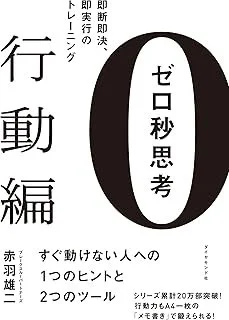
Stop Overthinking: The Zero-Second Thinking Habit for TOEIC
Do you overthink every TOEIC question? It’s a trap that makes you slow. Discover the "Zero-Second Thinking" mindset and learn a simple "1-Second Problem ID" drill to train your brain to make fast, accurate decisions without hesitation.
考えすぎを止める「ゼロ秒思考」の習慣:TOEICで迷わない脳を作る
“I always get stuck thinking too much.”
You see a TOEIC question.
Your brain starts spinning:
“What’s the trick here?”
“Should I eliminate wrong answers first?”
“What if I miss a detail?”
And by the time you’re ready to answer…
The timer’s almost up.
If this is you, you’re trapped in The Over Thinker Block.
The Over Thinker Block — Paralysis by Analysis
Overthinking feels safe.
You think, “If I analyse more, I’ll get it right.”
But in TOEIC, overthinking is a trap.
Every extra second you spend “double-checking” is a second lost from the next question.
The result?
You run out of time.
You get exhausted.
Your accuracy drops.
The Zero-Second Thinking Mindset — Decide Instantly, Act Clearly
In Zero-Second Thinking, Akira Ishikawa teaches this core principle:
“The faster you think, the clearer your mind becomes.”
It sounds backwards.
But it works.
Instead of sitting with thoughts and “figuring them out,”
you train yourself to decide instantly and move.
This stops analysis paralysis.
It clears mental clutter.
And it builds speed without losing accuracy.
MTC’s Truth: TOEIC Success Comes from Fast, Focused Thinking — Not Endless Analysis
At MTC, we see this mistake every day:
Learners believe that if they just “think harder,” they’ll find the answer.
But TOEIC rewards quick decision-making.
Success comes from identifying the core problem in a question — instantly.
The deeper you think, the slower you get.
ALT Habit: The “1-Second Problem ID” Drill
Here’s a simple way to practice Zero-Second Thinking for TOEIC:
Take a Part 5 or Part 7 question.
Before reading all the details, ask yourself:
“What is this question really asking?”Give yourself 1 second to answer that. Not 5. Not 10. Just 1.
Then proceed to solve it.
At first, you’ll feel rushed.
But with practice, your brain learns to cut the noise and spot the core issue immediately.
Why This Works (Even If You’re Used to Overthinking Everything)
It forces clarity. You stop wandering through options and focus on the problem.
It speeds up processing. You condition your brain to act, not hesitate.
It reduces mental fatigue. Less time stuck in your head means more energy for the next question.
Overthinking Feels Smart — But It’s Holding You Back
You don’t need to “analyze more.”
You need to decide faster.
Zero-Second Thinking isn’t reckless.
It’s a skill.
A muscle.
The more you practice instant clarity,
the more confident, accurate, and fast you’ll become.
Start training your 1-second brain today.
That’s how you’ll stop overthinking and start scoring.
Want to Learn More?
Our blog is full of practical strategies that help test-takers like you build better habits, overcome common blocks, and improve TOEIC scores through smarter, easier methods. Try our free TOEIC Block quiz now!

The Elephant's Big Dream: Why Your TOEIC Goal is Not Your Problem
Your big TOEIC goal is paralyzing you. Inspired by The Elephant Who Grants Wishes, discover how to break the Over Thinker Block by turning your big dream into a single, small daily task. Learn how stacking tiny victories is the real secret to achieving a high score.
ゾウの大きな夢:あなたのTOEIC目標は問題ではない
“My goal is too big… I don’t know where to start.”
You want a high TOEIC score.
You dream of changing jobs, studying abroad, or proving your skills.
But every time you sit down to study, that big goal feels like a heavy weight.
You think:
“I need a perfect study plan.”
“I need to figure out the fastest way.”
“I need to fix everything at once.”
And you end up doing… nothing.
If this is you, you’re stuck in The Over Thinker Block.
The Over Thinker Block — Paralyzed by The “Perfect Plan” Illusion
The Over Thinker Block happens when you believe you need to solve the entire TOEIC problem before you can start.
You over-plan, over-analyse, over-worry.
You’re so busy thinking about the mountain, you never take the first step.
Ganesha’s Lesson: Big Dreams Are Built from Small, Repeated Actions
In The Elephant Who Grants Wishes, Ganesha teaches the main character that dreams don’t come true by making perfect plans.
They come true by doing small tasks, over and over.
Want to be rich?
Start saving 100 yen a day.
Want to be successful?
Start greeting people properly.
Dreams are not achieved through big, dramatic actions.
They’re built from small habits that compound over time.
MTC’s Truth: Your TOEIC Goal is Fine — Your Focus is What’s Broken
You don’t need to lower your TOEIC goal.
You don’t need to have it all figured out.
The problem is where you’re focusing.
At MTC, we teach this:
Stop thinking about the 600+ score.
Start thinking about the 1 action you can take today.
That’s where progress starts.
ALT Habit: Break The Goal into a One-Today Task
Here’s a practical way to stop overthinking and start moving.
Write down your TOEIC goal (e.g., “Score 700 in 6 months”).
Under it, write: “What can I do today to move 1% closer?”
Pick one small, specific action (e.g., “Review yesterday’s mistakes for 5 minutes.”)
Do it.
That’s it.
One day. One task. One small win.
Why This Works (Even If You’ve Been “Stuck” for Months)
It removes mental overload. You stop worrying about everything and focus on one thing.
It builds visible momentum. Daily small wins create real progress.
It reduces failure fear. You’re not betting on “big efforts” — you’re stacking tiny victories.
Big Dreams Are Not Achieved — They Are Built, Brick by Brick
You don’t need a perfect plan.
You don’t need to solve everything today.
You need a system where small actions build into big outcomes.
The Elephant doesn’t grant wishes with magic.
He grants them with habits.
Start with one small action today.
That’s how big dreams become real.
Want to Learn More?
Our blog is full of practical strategies that help test-takers like you build better habits, overcome common blocks, and improve TOEIC scores through smarter, easier methods. Try our free TOEIC Block quiz now!
Listen Like an Elephant: The Secret to Going from Passive to Active
Do you listen to TOEIC audio but remember nothing? You're stuck in the Passive Listener Block. Discover Ganesha's lesson from The Elephant Who Grants Wishes and learn the "Listen for Just One Keyword" habit to shift from passive to active listening and finally make progress.
ゾウのように聴く:受け身のリスニングから卒業する方法
“I listen, but nothing sticks.”
Sound familiar?
You sit down to do a TOEIC Listening drill.
You press play.
You hear the words.
But when the question ends, your mind is blank.
You think:
“I was listening. Why didn’t I catch anything?”
If this is you, you’re not bad at listening.
You’re stuck in The Passive Listener Block.
The Passive Listener Block — Hearing Everything, Remembering Nothing
Many learners believe that “listening practice” means… just listening more.
But passive listening is like driving on autopilot.
Your ears are on, but your brain is not processing.
This is the Passive Listener Block.
It’s not about how much you listen.
It’s about how you listen.
Ganesha’s Lesson: Be Present, Not Perfect
In The Elephant Who Grants Wishes, Ganesha teaches that real change happens when you are present.
The tasks he gives are simple, but they require full attention.
For example:
When you greet someone, don’t just say “Hello.”
Notice their expression. Their mood. Their reaction.
It’s not about saying perfect words.
It’s about being aware and intentional.
Listening is the same.
MTC’s Truth: TOEIC Listening Is Not a Passive Skill — It’s Active Work
The biggest TOEIC listening mistake?
Thinking you can “absorb” English just by playing audio.
At MTC, we teach that listening is active decision-making.
Your ears hear.
But your brain must choose:
What am I listening for?
That’s the switch from passive to active.
ALT Habit: Listen for Just One Keyword
Here’s a simple way to practice active listening — without getting overwhelmed.
Play a TOEIC Part 3 or Part 4 audio clip.
Decide on one keyword you will listen for (e.g., “schedule,” “problem,” “reservation”).
Play the audio and focus only on that word.
When you catch it, pause and note: What was the situation?
That’s it.
One keyword.
One clear focus.
Why This Works (Even If You’ve “Listened” a Million Times Before)
It forces your brain to make a decision. You’re not just hearing — you’re searching.
It builds focus muscle. Catching one word trains you to process, not just hear.
It creates small wins. Each success tells your brain: “I can do this.”
Stop “Listening More.” Start “Listening Smarter.”
You don’t need to double your study hours.
You don’t need new materials.
You need a new way of listening.
One keyword.
One focus point.
One habit that shifts you from passive to active.
The Elephant wouldn’t tell you to work harder.
He’d tell you to pay attention.
Want to Learn More?
Our blog is full of practical strategies that help test-takers like you build better habits, overcome common blocks, and improve TOEIC scores through smarter, easier methods. Try our free TOEIC Block quiz now!
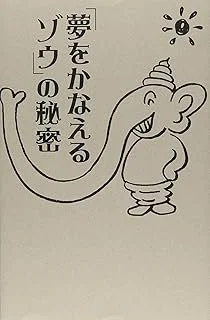
The Elephant Who Grants Wishes: The Smallest Habit You Can Start Today
Burnout isn't a sign of laziness; it's a sign your study system is too heavy. Discover Ganesha's first lesson from The Elephant Who Grants Wishes and learn the "one Part 2 question" habit that builds momentum, resets your brain, and helps you conquer the Burnout Block.
夢をかなえるゾウの教え:今日から始める、一番小さな習慣
Are you too tired to even start studying TOEIC?
You know you should study.
You want to improve.
But just thinking about TOEIC makes you sigh.
The textbooks are too thick.
The practice tests feel endless.
Even opening your study app feels like climbing a mountain.
If this sounds familiar, you're not lazy.
You’re stuck in The Burnout Block.
The Burnout Block — When Even Small Effort Feels Too Much
The Burnout Block happens when your brain has hit its limit.
You’ve worked hard before. You’ve failed, or made little progress.
Now, your mind protects itself by saying:
“Why bother?”
Traditional study methods make this worse.
They demand big effort. Big willpower. Big plans.
But if you’re in Burnout, these only make you shut down.
Ganesha’s First Lesson: Start with a Task So Small You Can’t Fail
In The Elephant Who Grants Wishes, the god Ganesha gives the main character a simple challenge:
“Shine your shoes.”
It’s not about shoes.
It’s about creating momentum with a task so small, it’s impossible to fail.
Success isn’t about working harder.
It’s about starting smaller.
MTC’s Truth: You’re Not Broken — Your System Is Too Heavy
Most TOEIC learners think they need to “try harder.”
That’s wrong.
The problem isn’t you.
It’s the size of the first step.
MTC’s approach is different:
We give you a habit so small, you don’t need motivation.
ALT Habit: Listen to Just One Part 2 Question a Day
That’s it.
One question.
No willpower. No plan. No guilt.
Here’s how you do it:
Open any TOEIC Part 2 audio file.
Play one question.
Pause and think: “How would I answer this?”
Done.
Why This Works (Even If You Feel Dead Inside)
It’s too small to fail. You don’t need to “feel ready” — just press play.
It builds daily momentum. One question today makes two questions tomorrow easier.
It resets your brain’s belief. You’re no longer someone who “isn’t studying.” You’re in motion.
You Can’t Fix Burnout with Big Effort — But You Can with Small Successes
Your dream of a high TOEIC score isn’t dead.
It’s just buried under bad study systems.
You don’t need a new textbook.
You don’t need a perfect schedule.
You need one question.
One small win.
One habit that makes you feel:
“I did something today.”
Start there.
The Elephant would approve.
Want to Learn More?
Our blog is full of practical strategies that help test-takers like you build better habits, overcome common blocks, and improve TOEIC scores through smarter, easier methods. Try our free TOEIC Block quiz now!

The Courage to Be Average: Why Comparing Your TOEIC Score Will Make You Miserable
Why does comparing your TOEIC score to others lead to stagnation? It’s an endless race. Discover the "Courage to Be Ordinary" mindset and a simple "1% Better" habit to stop competing sideways and start focusing on the only thing that matters: your own progress.
You check your friend’s TOEIC score.
They got 850. You’re still at 680.
Suddenly, your own score feels small. Weak. Not enough.
So you study harder, trying to catch up.
But instead of feeling motivated, you feel tired. Frustrated. Stuck.
This is called Score Stagnation — and comparing yourself to others is the fastest way to get there.
The Problem with Competing Against Everyone
The book The Courage to Be Disliked has a powerful idea:
“The Courage to Be Ordinary.”
It means this:
You don’t need to beat anyone.
You don’t need to be “the best.”
You just need to be you, moving at your own pace.
But when you start comparing scores with friends, coworkers, or random strangers online,
you create a race that never ends.
No matter how high you score, someone will always be higher.
That cycle will exhaust you.
MTC Truth: Your Only Rival is Your Last Score
At My TOEIC Coach (MTC), we say this clearly:
Stop comparing sideways. Start comparing forward.
Your goal isn’t to “win” against your classmates.
Your goal is to improve on your last performance.
If last month you were 650, aim for 660.
That’s it.
Progress is a quiet, personal game.
And it’s the only game where you will always win — if you keep going.
The “1% Better” Habit — How to Break Score Stagnation
Here’s a simple MTC drill to stop the comparison loop and focus on real progress.
✅ After every practice session, write down one small improvement.
Example:
“Today, I answered Part 2 questions faster.”
“I noticed more signal words in Part 7.”
“I reviewed yesterday’s mistakes.”
✅ Forget the score. Track the habits.
The score will follow.
This habit turns your attention away from others and back to where it belongs — on you.
Why This Works
It builds a success loop. Every small win counts, keeping you motivated.
It protects your energy. You stop wasting time on other people’s numbers.
It gives you control. You always decide your next move.
You Don’t Need to Be “Better Than Them.”
You Just Need to Be “Better Than Yesterday.”
The courage to accept being “average” isn’t weakness.
It’s freedom.
When you stop competing sideways, you’ll notice something powerful:
You’ll start moving forward, quietly, but surely.
That’s real success.
That’s MTC style.
Want to Learn More?
Our blog is full of practical strategies that help test-takers like you build better habits, overcome common blocks, and improve TOEIC scores through smarter, easier methods. Try our free TOEIC Block quiz now!

Are You Studying for Your Boss? The TOEIC “Social Pressure” Trap
Are you paralyzed by the fear of a bad TOEIC score? It’s a "Social Pressure Trap" rooted in worrying about what others think. Discover the "Separation of Tasks" mindset and a simple "3-Second Pause" habit to beat the Over Thinker Block and regain your focus.
Have you ever thought,
“I need a good TOEIC score or my boss will think I’m useless…”
Or
“If I fail again, my coworkers will laugh at me…”?
If so, you are not alone.
This is called The Social Pressure Trap — and it’s a huge reason why many learners get stuck.
You’re not dumb. You’re not lazy.
You’re just stuck in your own head, worrying about what other people think.
This kind of overthinking is what we call The Over Thinker Block.
Whose Problem Is This, Really? — The “Separation of Tasks” Mindset
In the book The Courage to Be Disliked, Adlerian Psychology teaches a powerful idea:
“What others think of you is their task. Not yours.”
It sounds simple, but it changes everything.
Your task is to do your best study today.
Their task is to decide what they think of you.
You don’t control their task.
You only control yours.
But when you mix up these tasks,
you start to study for your boss, your teacher, your coworkers…
And that pressure crushes your focus.
MTC Truth: Your Score is Your Task. Their Opinion is Theirs.
At My TOEIC Coach (MTC), we’ve seen this Over Thinker Block so many times.
Learners aren’t stuck because they don’t know enough.
They’re stuck because they’re carrying tasks that don’t belong to them.
Your job is not to control what your boss or friends think.
Your job is to build small, winnable habits — so your score will speak for itself.
But first, you need a habit that breaks the Overthinking loop.
The “3-Second Pause” Habit — Stop the Overthinking Spiral
Here’s a simple ALT drill to reset your brain when overthinking kicks in.
✅ When you feel that “What will people think of me?” pressure,
stop and take a 3-second pause.
In those 3 seconds, silently say to yourself:
“That’s not my task.”
Then, shift your focus to a small action:
Read the next TOEIC question.
Look at the answer choices.
Breathe.
This 3-second habit trains your brain to separate your task from theirs.
It brings you back to what you can control — your next move.
Why This Works
It interrupts the anxiety loop. You can’t overthink while you’re pausing.
It re-centres your focus. You stop thinking about people who aren’t even in the room.
It turns emotional pressure into a physical action. Simple. Repeatable.
You’re Not Studying for Them. You’re Studying for You.
The Over Thinker Block is not a study problem.
It’s a task problem.
You can’t control what people think of your TOEIC score.
But you can control how you react to that pressure.
Start with a 3-second pause.
Separate what’s yours and what’s not.
And watch how fast your focus comes back.
Want to Learn More?
Our blog is full of practical strategies that help test-takers like you build better habits, overcome common blocks, and improve TOEIC scores through smarter, easier methods. Try our free TOEIC Block quiz now!
Your Past TOEIC Failures Don’t Matter — Let’s Talk About Burnout (The Real Reason You’re Stuck)
Your past TOEIC failures are not the reason you’re burned out. Learn the "Trauma Myth" from Adlerian Psychology and discover the "2-Minute Study Habit" to break the cycle of self-blame and build lasting momentum.
You look at your old TOEIC score.
You remember how hard you studied last time.
You feel tired just thinking about it.
And that little voice in your head says,
“Why bother? You’ll just get burned out again.”
Let’s be clear:
This isn’t laziness.
This is Burnout — the most dangerous learning block.
But here’s the truth:
Your past failures are NOT the reason you feel this way.
The “Trauma Myth” — Your Past is NOT the Problem
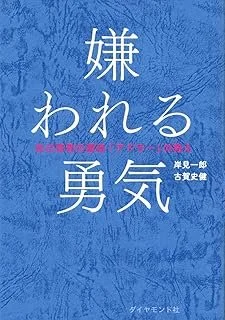
There’s a famous idea from Adlerian Psychology (yep, the book 『嫌われる勇気』).
It says: Your past does not decide who you are today.
Your old low score is not why you’re burned out.
It’s not your “TOEIC curse.”
It’s just a result of what you were doing back then.
What’s keeping you stuck now is not your history.
It’s your current mindset and study habits.
MTC Truth: Your Past Score Means Nothing.
The ONLY thing that matters is what you do today.
At My TOEIC Coach (MTC), we don’t care how many times you’ve failed.
We care about the one small action you take today.
And no, we’re not talking about “work harder” nonsense.
We’re talking about an unbeatable habit that even Burnout can’t stop.
The 2-Minute Study Habit — The Anti-Burnout Drill
Burnout happens when you try to do too much, fail, and blame yourself.
The fix?
Don’t fight it.
Make success so easy your brain can’t say no.
Here’s how:
✅ Pick one tiny TOEIC task you can do in under 2 minutes.
Examples:
Read one Part 7 short passage.
Listen to one Part 2 question.
Look at 5 words in your vocab app.
✅ Do this EVERY day. Just this.
No extra study. No pressure.
Why This Works (Even If You Feel Hopeless)
You can’t fail. It’s too small to mess up.
You build momentum. Small wins feel good.
You don’t need motivation. You just do it.
This is not a trick.
It’s a brain hack that resets your energy and starts breaking Burnout.
Your Past Isn’t Holding You Back. Your Habits Are.
You’re not stuck because you failed TOEIC before.
You’re stuck because you’re afraid to fail again.
But you don’t need to win today.
You just need to take one easy step that feels winnable.
The past is over.
What matters is what you do in the next 2 minutes.
Let’s start there.
Want to Learn More?
Our blog is full of practical strategies that help test-takers like you build better habits, overcome common blocks, and improve TOEIC scores through smarter, easier methods. Try our free TOEIC Block quiz now!

Atomic Habits & The Speed Trap — Why Slowing Down First Will Make You Faster in TOEIC
Don't fall into the Speed Trap. Discover how James Clear's "Atomic Habits" can make you faster in TOEIC by teaching you to slow down first. Learn two powerful micro-habits—"Slow-Motion Reading" and the "3-Second Stop Sign"—that eliminate hesitation and build true speed.
Many TOEIC learners think,
“If I want to get faster, I need to push myself to answer quicker.”
But this usually leads to more mistakes, more frustration, and no real improvement.
This is called the Speed Trap — trying to get faster by rushing.
James Clear’s Atomic Habits teaches a smarter approach:
Slow down first, build small habits that work automatically, and speed will follow.
The Problem with Forcing Speed
Have you ever told yourself, “I need to be quicker” during practice,
and ended up making simple mistakes?
Speed is not something you can force.
When you rush, accuracy drops.
And in TOEIC, accuracy is everything.
The more you try to “go faster” without a system, the deeper you fall into the Speed Trap.
The Solution: Small Habits That Slow You Down — At The Right Moment
Getting faster in TOEIC is not about pushing harder.
It’s about removing hesitation.
Atomic Habits teaches that speed is a result of strong, automatic habits.
You need small, repeatable actions that teach your brain when to slow down, so it can move faster with control.
Example 1: The “Slow-Motion Reading” Habit — Part 7 Reading
Most people try to read Part 7 passages as fast as possible.
But this leads to skipping important details, getting lost, and having to reread everything.
Instead, build a habit of reading one short Part 7 passage per day,
using your finger or pen to trace each word as you read.
The goal is not speed.
The goal is to read every word with 100% focus, without skipping or guessing.
You don’t need to answer any questions.
You are simply training your brain to read accurately and completely.
This small daily habit breaks the urge to rush,
and builds the foundation for real reading speed when it counts.
Example 2: The “3-Second Stop Sign” — Part 5 Grammar
In Part 5, many people jump at the first answer that looks right.
This habit creates careless mistakes.
Here’s a better habit:
After reading the question and looking at the choices,
pause for just 3 seconds.
Imagine a stop sign in your mind.
In those 3 seconds, ask yourself one quick question:
“Is this a grammar trap?”
“Is this a vocabulary trap?”
This micro-habit builds a brief moment of awareness before you answer.
It’s fast, but it forces your brain to check for common mistakes.
The result? You answer with more accuracy, and over time, your speed increases naturally.
The Point: Speed Comes From Smart Habits, Not Rushing
You don’t get faster in TOEIC by pushing yourself harder.
You get faster by building small, automatic habits that remove hesitation.
Atomic Habits shows that real speed comes from systems, not stress.
If you’re stuck in the Speed Trap,
The answer is not to rush —
It’s to build small habits that make you faster without thinking.
Want to Learn More?
Our blog is full of practical strategies that help test-takers like you build better habits, overcome common blocks, and improve TOEIC scores through smarter, easier methods. Try our free TOEIC Block quiz now!

Atomic Habits & The Memoriser Block — Why Remembering More Won't Raise Your TOEIC Score
Memorizing more words won't raise your TOEIC score. Discover how to conquer the Memoriser Block with "Atomic Habits" by building small, low-effort routines like the "Visual Tag" and "30-Second Treasure Hunt" that make you faster and more automatic.
Many people studying TOEIC think:
“If I just memorise more words, more grammar, more practice questions, my score will go up.”
But that doesn’t always happen.
TOEIC isn’t a test of how much you remember.
It’s a test of how quickly you can use what you know.
If you only memorise, you will get stuck.
That is called the Memoriser Block.
James Clear’s Atomic Habits shows a simple idea:
Build small habits that help you use what you know — without overthinking.
Why Memorising More Can Make You Slower
Have you ever learned a new word, but couldn’t remember it in the test?
This happens because your brain is trying too hard to find the answer.
In the real TOEIC test, you don’t have time to think slowly.
If you only use flashcards and word lists, you are training your brain to study slowly.
You need practice that makes you faster and automatic.
Example 1: The "Visual Tag" Habit — For Faster Vocabulary
Instead of just looking at a word list, build a tiny drawing habit.
When you learn a new vocabulary word (like commute or invoice),
take just 2 seconds to draw a simple, ugly sketch that represents it.
Commute → Stick figure on a train.
Invoice → Dollar sign with an arrow.
You don’t need to be good at drawing.
This small visual "tag" gives your brain a quick, easy hook to remember the word.
It turns boring memorisation into a fun, low-effort habit that sticks.
Example 2: The "30-Second Treasure Hunt" — For Pattern Recognition
Part 5 grammar questions feel stressful because people try to solve them immediately.
Instead, start with a quick treasure hunt.
Open a Part 5 section, and for just 30 seconds,
ignore the answers. Your only goal is to spot patterns.
For example:
"Find every word that ends in -tion."
"Find every sentence with because."
No pressure. No right answer.
You are simply training your brain to notice patterns automatically.
This fun, low-stakes habit helps you build the exact scanning skill needed in the real TOEIC test.
The Point: Small Habits > Big Memorisation
Memorising is important.
But memorisation alone will not help you perform in the TOEIC test.
Atomic Habits shows that small, daily habits — like sketching a quick visual or playing a pattern-finding game — are what make you faster, more accurate, and more confident.
If you’re tired of memorising and still getting stuck,
The problem isn’t your memory.
It’s time to build better habits.
Want to Learn More?
Our blog is full of practical strategies that help test-takers like you build better habits, overcome common blocks, and improve TOEIC scores through smarter, easier methods. Try our free TOEIC Block quiz now!

Atomic Habits & TOEIC Burnout: Why Small Wins Build Lasting Energy
Burnout isn’t about a lack of willpower; it’s about a flawed system. Learn how James Clear’s "Atomic Habits" can help you overcome TOEIC burnout by designing your environment to make small wins automatic, building lasting energy and momentum.
Many TOEIC learners feel stuck. Not because they’re lazy. Not because they lack discipline. But because they’re exhausted.
Study feels heavy. Motivation fades.
This is Burnout — and more practice tests won’t fix it.
James Clear’s Atomic Habits explains a simple but overlooked solution: design your environment to make small wins automatic.
Burnout Isn’t About How Much You’re Doing — It’s About How You’re Doing It
Most test-takers try to “push through” burnout by studying harder.
But the problem isn’t effort. It’s that every study session feels like a battle of willpower.
Atomic Habits flips this thinking.
Instead of relying on motivation, you adjust your environment and habits to make success easier, not harder.
Example 1: The “Visible Cue” Trick — Vocabulary
Rather than setting a goal to “study vocabulary 30 minutes a day”, you place your vocabulary list somewhere you naturally pause during the day — like on your desk, or next to your coffee machine.
Every time you see it, you spend just 1 minute reviewing a few words.
No timer. No app.
Just a tiny, frictionless action that builds momentum without mental effort.
It’s not a “study session”. It’s a small win that happens naturally.
Example 2: Redesigning Your Listening Practice — Not Your Willpower
Listening practice often feels overwhelming because people wait until they’re “ready” to sit down and focus.
Instead, you can simply swap your phone’s default YouTube setting to English podcasts or TOEIC listening playlists.
Now, when you open YouTube or Spotify during a break, you’re casually exposed to English without forcing yourself into a study mode.
The environment does the work.
You’re not pushing yourself harder — you’re removing friction.
The Point: Small Systems Beat Big Willpower
Burnout doesn’t come from a lack of motivation.
It comes from relying on motivation too much.
Atomic Habits teaches that small, easy wins done consistently are what rebuild energy and progress.
If TOEIC study feels heavy, the answer isn’t “try harder” — it’s build lighter systems.
Want to Learn More?
Our blog is full of practical strategies that help test-takers like you build better habits, overcome common blocks, and improve TOEIC scores through smarter, easier methods. Try our free TOEIC Block quiz now!

Why Atomic Habits Is the Book You Should Have Read Years Ago — TOEIC Success and Life Success Start Here
Success on the TOEIC isn't just about goals; it's about the systems you build. Discover how the "1% Rule" from Atomic Habits can transform your daily routines into powerful, consistent actions that lead to a higher score and lasting success.
What is Atomic Habits?
James Clear's Atomic Habits is a book about how small, consistent actions create big changes. It teaches that success isn't just about setting big goals, but about the daily patterns and habits that move you towards those goals.
One of the core ideas is: "You don’t rise to the level of your goals. You fall to the level of your systems."
In other words, your habits and routines — the things you do every day without thinking — decide if you'll reach your TOEIC goals. So you need to work on your habits, and that's exactly what we encourage here at My TOEIC Coach (MTC). Improve your habits, and you will improve your TOEIC score — and even your life.
This is one of those books that, once you read it, you wonder why you didn’t find it years ago. As Chuck Jones once said, "The difference between you now and you in five years is the people you meet and the books you read." Atomic Habits is absolutely one of those books.
The 1% Rule: Small Wins That Build TOEIC Power
One powerful idea from the book is the "1% Rule." Instead of trying to make huge improvements all at once, you focus on small, daily actions that slowly but surely build up over time.
For example:
A learner who reviews their vocabulary list for just 2 minutes before bed improves their word recall. Research shows that reviewing before sleep can boost memory retention by over 70%.
Another learner watches their favourite Netflix show with English subtitles. This simple, enjoyable habit helps train their ear to English rhythm and phrasing, which often leads to better Listening scores.
These are small actions, but when done consistently, they build powerful results. It’s not about studying longer. It’s about making small habits that work for you.
Start a Great Habit Today
The ideas in this book are not complicated, but they are powerful. Even one small change — like reviewing vocabulary for a few minutes before bed — can lead to big results over time.
If you want to make lasting improvements to your TOEIC score, and to your daily life, start by reading this book. It will give you tools that keep paying off for years.
Build a better habit. Buy the book.
Want to Learn More?
Our blog is full of practical strategies that help test-takers like you build better habits, overcome common blocks, and improve TOEIC scores through smarter, easier methods. Try our free TOEIC Block quiz now!