

If You Want to Pass TOEIC…
The education system you went through is why you're struggling with TOEIC. Inspired by Robert Kiyosaki, this article reveals how old rules about mistakes and competition sabotage your score. Learn why you must unlearn these habits to pass the test.
Stop Studying Like a Student
(Inspired by Robert Kiyosaki’s If You Want to Be Rich and Happy, Don’t Go to School)
“If you want to be rich and happy, don’t go to school.”
It sounds like the last thing a teacher or educator would ever say.
But if you ever sit down with Robert Kiyosaki—author, investor, and son of a lifelong educator—that’s exactly what he’ll tell you.
Kiyosaki, known worldwide for his best-seller Rich Dad Poor Dad, has been saying this for decades. In his very first book, If You Want to Be Rich and Happy, Don’t Go to School, he explains why the traditional education system fails students.
And—whether you realise it or not—that’s exactly why you’re struggling with the TOEIC.
The Prussian Factory Model: Why School Trains You to Fail TOEIC
The education system you went through wasn’t designed to make you smart.
It was designed in Prussia to train obedient soldiers. Later, England adapted it to create factory workers—just skilled enough to run machines, but not independent enough to stop “needing” work.
You were trained to:
Obey instructions.
Avoid mistakes.
Seek approval for every answer.
But the TOEIC isn’t testing you on how well you follow rules.
It’s testing how you make decisions under time pressure.
And if you're still waiting for a teacher to tell you when you're ready, you're trapped in a system designed to keep you dependent.
Mistakes Are Not Failures. They Are Data.
Kiyosaki argues that school teaches you to fear mistakes.
Make a mistake? You lose points.
But in real life—and in the TOEIC—mistakes are the only way to get smarter.
This connects directly to what we teach in MTC’s Challenge Mindset Drill (from The Upside of Stress article).
A wrong answer isn’t a verdict. It’s feedback.
The top TOEIC scorers aren’t the ones who get everything right. They’re the ones who make mistakes, analyse them, and adjust—quickly.
Test-Takers, Not Students: Why Self-Education Wins
In Rich Dad Poor Dad, Kiyosaki makes it clear:
Your success depends on what you teach yourself, not what others teach you.
At MTC, we coach you as a test-taker, not a “student.”
We don’t teach English. We train you to:
Make faster decisions.
Recover from mistakes.
Stay mentally sharp under exam conditions.
Just like Kiyosaki's "Rich Dad" told him—skills beat knowledge.
You don’t pass TOEIC by knowing more English than others.
You pass because you’ve trained yourself to navigate a testing environment better than others.
You’ve Been Trained to Be Passive — MTC Breaks That Loop
Remember our article on Passive Listening & The Elephant Who Grants Wishes?
That “wait for the answer” habit?
That’s school training at its worst.
MTC’s coaching is designed to flip that mindset.
You are no longer a passive listener waiting to “get better.”
You are an active test-taker training your ability to control stress, make decisions, and use mistakes as stepping stones.
Summary — Kiyosaki’s Truth for TOEIC Success
The education system taught you to obey, not to think under pressure.
Mistakes aren’t failures—they’re learning accelerators.
Passing TOEIC is about training skills, not memorising content.
Self-education (like Kiyosaki’s “Rich Dad” approach) is the key to scoring higher.
At MTC, we don’t “teach” you how to pass TOEIC.
We coach you to unlearn the habits that are holding you back.
Want to Learn More?
Our blog is full of practical strategies that help test-takers like you build better habits, overcome common blocks, and improve TOEIC scores through smarter, easier methods. Try our free TOEIC Block quiz now!

The Challenge Mindset: How to Turn TOEIC Mistakes into Motivation
Do you see TOEIC mistakes as personal failures? This article, inspired by Kelly McGonigal's The Upside of Stress, reveals why mistakes are simply feedback. Learn a simple "Challenge Response" habit to reframe errors, build mental resilience, and beat The Over Thinker and Burnout Blocks.
Based on『スタンフォードのストレスを力に変える教科書』by Kelly McGonigal
“Mistakes aren’t signs of failure. They’re proof you’re learning.”
TOEIC learners often treat mistakes as personal defects.
One wrong answer? “I’m stupid.”
A bad mock test score? “I’ll never improve.”
But Kelly McGonigal’s book, The Upside of Stress (スタンフォードのストレスを力に変える教科書), introduces a simple but powerful shift:
When you face a challenge, you can choose to see it as a threat — or as a chance to grow.
This is the Challenge Mindset.
And it’s the most important mental skill for overcoming The Over Thinker Block and escaping The Burnout Loop.
Why Mistakes Feel Threatening — And How to Flip It
When you make a mistake during TOEIC practice, your brain reacts as if it’s a threat to your identity.
“I should know this.”
“I’m not good enough.”
But here’s the truth:
Mistakes are simply information.
A difficult question is not a test of who you are.
It’s just an opportunity to sharpen your process.
At MTC, we don’t “fix” mistakes.
We train you to convert mistakes into energy for growth.
MTC Drill: The “Challenge Response” Habit (30-Second Reset)
Next time you hit a difficult question or make a mistake, do this simple drill:
Pause and take a breath.
Don’t rush to correct it. Let it sit.Say to yourself (out loud if possible):
“This mistake is feedback, not a verdict.”Write down:
“What is this mistake teaching me about my process?”Decide one small action for next time.
Example: “Next time, I’ll underline the keywords before looking at the answers.”
This 30-second reset trains your brain to switch from “self-attack” to “process improvement”.
Mistakes = Momentum (If You Train This Way)
Most learners quit because they misinterpret mistakes as proof of failure.
But test-takers who adopt the Challenge Mindset don’t get stuck.
They see every error as a data point, a small clue to refine their strategy.
In TOEIC, that’s the difference between a score that plateaus and a score that keeps rising.
And in life, it’s the difference between people who give up after setbacks and those who grow stronger with every challenge.
Summary — Mastering The Challenge Mindset for TOEIC and Beyond
Mistakes are not personal. They are process feedback.
A difficult question is not a threat. It’s a chance to grow.
Training the Challenge Mindset keeps you moving forward, even when things feel hard.
At MTC, we don’t just prepare you for TOEIC.
We coach you to develop mental resilience that lasts far beyond test day.
Want to Learn More?
Our blog is full of practical strategies that help test-takers like you build better habits, overcome common blocks, and improve TOEIC scores through smarter, easier methods. Try our free TOEIC Block quiz now!

The Upside of Stress: Why Test-Day Nerves Are Your Secret Weapon
Most people think test-day nerves are bad, but Kelly McGonigal proves they’re your secret weapon. This article reveals a "Stress Reframe" drill to turn anxiety into a powerful "power-up," helping you build resilience for TOEIC and for life.
“Nervous? Good. That means you’re ready.”
Most TOEIC learners think feeling nervous before a test is a bad sign. Racing heart, sweaty palms, shallow breathing — you’ve probably told yourself, “I’m not ready. I’m going to fail.”
Kelly McGonigal, in her book 『スタンフォードのストレスを力に変える教科書 (The Upside of Stress)』, flips that idea upside down. She proves that the problem is not stress itself — the problem is how you think about stress.
If you see stress as a threat, it will crush you.
But if you see stress as your body’s way of preparing you for a challenge, it becomes your ally.
Stress Is Not the Enemy — It’s Your Built-in Power-Up
Your body knows what’s coming.
The increased heart rate? That’s oxygen delivery.
The sweaty palms? That’s grip enhancement.
The hyper-alert mind? That’s your brain sharpening focus.
These aren’t failure signals.
They are your body’s natural “performance mode” activation.
At MTC, we coach test-takers to work with stress, not fight it.
You don’t need to be calm.
You need to be ready.
MTC Drill: The “Stress Reframe” Test-Day Warm-Up
Before your TOEIC test, do this 1-minute mindset drill:
Close your eyes. Feel your heart pounding.
Don’t resist it. Acknowledge it: “My body is powering up for action.”Smile — even if forced.
Smiling triggers a neurological shift. It tells your brain: “I’m up for this challenge.”Say out loud:
“I’m not nervous. I’m ready. This is my body helping me perform.”
It sounds simple, but this mental reframe is a game-changer.
Your stress response becomes fuel — not friction.
Why This Matters Beyond TOEIC
Test-day stress is just a practice round.
Life will throw bigger challenges at you — job interviews, presentations, negotiations.
If you master stress reframing here, on test day, you’re building a lifelong resilience muscle.
Kelly McGonigal’s research isn’t just motivational fluff.
It’s neuroscience-backed proof that your mindset decides how stress affects you.
Summary — Your New View of Test-Day Nerves
Stress is not a threat. It’s a signal of readiness.
Your body prepares you to perform under pressure — trust it.
The way you think about stress controls whether it helps or hinders you.
At MTC, we don’t teach you to avoid stress.
We coach you to train with it.
Want to Learn More?
Our blog is full of practical strategies that help test-takers like you build better habits, overcome common blocks, and improve TOEIC scores through smarter, easier methods. Try our free TOEIC Block quiz now!

The “Messy” TOEIC Test: How to Make Smart Decisions Without All the Answers
Indecision is a trap. Inspired by The Hard Thing About Hard Things, this article reveals how to make smart, confident decisions on a "messy" TOEIC test, even with incomplete information. Learn the "Guessing with a Stop-Loss" habit to beat The Over Thinker and Speed Trap blocks.
“There is no perfect decision. You just make the best move with what you’ve got.”
Ben Horowitz writes this in The Hard Thing About Hard Things.
He’s talking about leading a startup in chaos.
But if you’ve ever been stuck in TOEIC Part 5 or Part 7,
you know exactly how it feels.
You’re halfway through a question.
You don’t know every word.
The clock is ticking.
You hesitate.
“What if I guess wrong?”
“What if I miss something?”
And just like that — you’re trapped.
Welcome to The Over Thinker Block and The Speed Trap Block in one brutal combo.
But here’s the truth:
TOEIC is designed to be messy.
And you can still win.
The Test Is Messy — So You Need a Messy Decision-Making Skillset
At MTC, we coach this simple truth:
TOEIC isn’t about being perfect.
It’s about being effective in uncertainty.
Horowitz explains that business leaders often have to make critical decisions
without complete information.
Waiting for the “perfect answer” is how companies die.
TOEIC rewards the same mindset.
If you’re aiming for perfection,
you’ll lose precious time,
doubt yourself,
and panic as the clock drains.
But if you learn to make smart, calculated guesses —
you stay in control.
MTC Truth: You Don’t Need to Know Everything — You Need to Act with What You Do Know
In Part 5 and Part 7,
there will always be words you don’t know.
That’s not a failure.
It’s part of the game.
Top scorers don’t panic when they hit an unknown word.
They pivot.
They scan the sentence structure.
They eliminate obvious wrong answers.
They make a confident guess — and move on.
This isn’t “reckless guessing.”
It’s strategic decision-making under pressure.
ALT Habit: “Guessing with a Stop-Loss” — Making Confident Decisions Under Pressure
Here’s how to build this decision-making reflex:
What to Do:
When faced with an uncertain question (especially in Part 5 or 7),
give yourself a 10-second decision window.Eliminate one or two impossible options.
Make a best-effort guess based on sentence flow or known patterns.
Mark it and move on.
Stop-Loss Rule:
If after 10 seconds you still don’t feel confident,
force yourself to choose the best guess and cut your losses.
Why It Works:
It prevents time bleed. You stop wasting time on low-return questions.
It builds decision-making speed. You train your brain to process what’s there, not fixate on what’s missing.
It reduces emotional drain. You stay calm and in control, even in messy situations.
Making Smart Moves in Messy Situations is a Life Skill
Horowitz’s point is clear:
Success isn’t about always having the right answer.
It’s about being able to act when answers are incomplete.
TOEIC is a small version of this bigger life challenge.
When you train yourself to decide,
to stay calm in uncertainty,
you’re not just improving your test score.
You’re building a mindset that wins in business, career, and life.
The messy parts are where you grow.
Want to Learn More?
Our blog is full of practical strategies that help test-takers like you build better habits, overcome common blocks, and improve TOEIC scores through smarter, easier methods. Try our free TOEIC Block quiz now!

The Hard Thing About TOEIC: Why Your Score Plateau is a Sign of Progress
Stuck on a TOEIC score plateau? Don’t quit. This article, inspired by Ben Horowitz's The Hard Thing About Hard Things, reveals why your plateau is a sign of progress. Learn a simple "Progress Log" habit to find motivation in the struggle and build the resilience that leads to a breakthrough.
“This is when you find out who you are.”
Ben Horowitz wrote that line in his brutal, no-nonsense book The Hard Thing About Hard Things.
He was talking about CEOs in crisis.
But he could’ve been talking to every single TOEIC test-taker stuck on a score plateau.
The Struggle.
That’s what Horowitz calls it.
It’s the phase where you’ve done everything right —
studied, practiced, reviewed —
and yet, the numbers refuse to move.
It’s infuriating.
It’s exhausting.
And it’s exactly where the most important growth happens.
The Plateau Isn’t a Problem — It’s the Proof You’re Growing
At MTC, we call this moment The Burnout Block.
It’s where many learners give up.
But it’s also where the best breakthroughs happen.
Horowitz explains that The Struggle isn’t a sign you’re failing.
It’s a sign that you’re no longer playing the “easy game.”
You’re at the edge of your current skills.
And every inch beyond this point requires real adaptation.
You’re not broken.
You’re in the process of levelling up.
The plateau isn’t a wall.
It’s a threshold.
MTC Truth: You Don’t Need Motivation — You Need a System for Surviving The Struggle
Here’s the real talk:
Motivation dies in The Struggle.
This isn’t about pushing harder.
It’s about shifting how you measure progress.
If you’re only chasing the score,
you’ll feel like a failure during this phase.
But if you start tracking effort, habits, and consistency,
you’ll see exactly where you’re winning —
even before the score catches up.
ALT Habit: The “Progress Log” — Train Your Brain to See the Right Victories
Here’s how to fight back against the plateau mindset:
What to Do:
After every study session, log:
One small win (e.g., “Identified 3 Part 5 question types instantly today.”)
One challenge you’re refining (e.g., “Still pausing too long on Part 2 responses.”)
One habit you maintained (e.g., “Did a full 25-minute focus block.”)
Commit to ignoring your practice scores for two weeks.
Focus only on logging this progress.
Why It Works:
It rewires your mental feedback loop. You’ll stop waiting for external validation (scores) and start valuing the process.
It builds resilience. You’ll realize you are moving forward, just not in the way a number can instantly show.
It’s the mindset elite performers use. They don’t obsess over daily results — they obsess over daily systems.
The Hard Thing About Hard Things — The Test Isn’t Supposed to Feel Easy
Horowitz’s core message is this:
There’s no shortcut through The Struggle.
You have to go through it.
But going through it is where you build something far more valuable than a TOEIC score.
You build the ability to keep moving when it’s hard.
To take action without guarantees.
To trust the process even when the scoreboard is silent.
That’s a life skill.
TOEIC is just where you practice it.
Want to Learn More?
Our blog is full of practical strategies that help test-takers like you build better habits, overcome common blocks, and improve TOEIC scores through smarter, easier methods. Try our free TOEIC Block quiz now!

How to Win Over the Best Friend You Could Ever Have — Yourself
Is your inner voice your worst critic? It's the real reason for TOEIC burnout. Discover how to apply Dale Carnegie’s principles to yourself and learn an "Inner Critic to Inner Coach" drill to build mental resilience, turning self-doubt into a powerful ally.
Dale Carnegie’s Guide to Beating TOEIC Burnout and Self-Doubt
Imagine you had a friend who followed you around every day.
A friend who whispered things like:
“You’re too slow.”
“You’ll never get this.”
“You’re just not good enough.”
Would you stay friends with them?
Here’s the hard truth:
Most TOEIC learners already have this kind of “friend.”
But it’s not a person.
It’s your own inner voice.
And until you learn to win over yourself, no amount of study will fix it.
The Real Problem: The Inner Critic That’s Killing Your Score
At My TOEIC Coach (MTC), we’ve seen it hundreds of times.
Students who are diligent, smart, capable —
but they’re trapped in The Burnout Block or The Over Thinker Block.
Why?
Because every mistake becomes a personal attack.
Every slow answer becomes proof that “I’m not good enough.”
This constant self-criticism wears you down, drains your energy, and makes TOEIC feel like a war you can’t win.
Here’s the thing — TOEIC isn’t the problem.
Your relationship with yourself is.
Dale Carnegie’s Core Lesson: Stop Criticizing. Start Coaching.
You’ve probably heard of Dale Carnegie’s classic, How to Win Friends and Influence People.
At its heart, Carnegie teaches a simple truth:
“Don’t criticize, condemn, or complain.”
Instead, offer sincere appreciation.
Most people think this rule is about how you treat others.
But its real power is when you turn it inward.
Imagine what would happen if your inner voice stopped tearing you down,
and started offering encouragement, feedback, and appreciation — just like a good coach would.
That’s how you beat burnout.
That’s how you stop overthinking.
MTC Truth: The Real Battle Isn’t With TOEIC — It’s With Yourself
The TOEIC test is not your enemy.
It’s just a set of patterns and rules.
The real challenge is retraining your inner voice
from being an “Inner Critic” to becoming an “Inner Coach.”
This is what separates those who burn out from those who build resilience.
You don’t need to be perfect.
You need to coach yourself through imperfection.
ALT Habit: The “Inner Critic to Inner Coach” Drill
Here’s a simple drill to start reshaping your self-talk immediately:
Step 1: Notice the Critic
When you catch yourself thinking,
“I’m so slow,”
“I’m terrible at this,”
pause.
Step 2: Rephrase as a Coach
Turn that thought into an honest, coaching observation:
“My brain is working hard on this part.”
“I’m starting to recognize this question pattern — I just need more reps.”
“This mistake is showing me exactly where I can improve.”
Step 3: Move Forward
Take one small action — even if it’s just re-trying the question — with this new mindset.
Why This Works (Even If You’ve Been Self-Critical for Years)
It rewires your mental reflex. You’re creating a new pathway that shifts from emotional panic to logical problem-solving.
It builds emotional resilience. Each time you coach yourself through a tough moment, your mental toughness grows.
It turns setbacks into progress. Every mistake becomes data, not a verdict on your worth.
The Real Victory Isn’t the Score — It’s the Person You Become
TOEIC is a score.
But the confidence, resilience, and self-leadership you build while preparing —
that stays with you for life.
When you learn to be your own best friend,
when you learn to coach yourself through the tough days,
the score will take care of itself.
Dale Carnegie’s book isn’t just about winning friends.
It’s about winning yourself.
And that’s the only battle that really matters.
Want to Learn More?
Our blog is full of practical strategies that help test-takers like you build better habits, overcome common blocks, and improve TOEIC scores through smarter, easier methods. Try our free TOEIC Block quiz now!

📘 The Official Guide Only? Why Relying on One Book Can Halt Your Score
TOEIC learners get stuck using only the Official Guide, memorizing answers instead of developing true test flexibility. Discover why relying on one book can halt your score and how to become a "TOEIC chef" by embracing variety, strategic review, and smart practice beyond just one recipe.
Imagine learning to cook by following just one recipe.
Maybe it’s a solid one — the official version, written by a famous chef. You follow it carefully, measure perfectly, and keep repeating it.
But here’s the problem: You’re not learning how to cook.
You’re learning one dish. And when someone asks you to make something different, or even just switch up an ingredient — you're stuck.
That’s what happens when you rely only on the TOEIC Official Guide or a single mock test book.
🍳 One Book Can Teach the Format, Not the Flexibility
Yes, the TOEIC Official Guide is well-made. It teaches the format.
But real score gains come from flexibility — being able to handle strange accents, unusual question types, tricky vocabulary combinations, fast speakers.
That kind of flexibility doesn’t come from memorizing. It comes from variety, challenge, and real-time decision-making.
🔁 Repeating the Same Test Makes You Good at That Test
When you do the same mock test again and again, you're not improving — you're memorizing the rhythm.
You start to guess answers based on memory, not logic.
Your brain isn’t solving problems. It’s walking the same path over and over.
TOEIC doesn’t reward that. It punishes it.
🧠 What Real Training Looks Like (for Test-Takers)
The goal isn’t to become a textbook expert.
The goal is to become a test-taker: fast, focused, and flexible under pressure.
That means:
Practising with unfamiliar questions
Training your reflexes for fast answers
Using your mistakes to spot habits and fix patterns
Switching up materials so your brain keeps learning — not memorizing
🚧 Why “More Mock Tests” Can Lead to a Plateau
Here’s what happens to many people:
First 2 or 3 tests → improvement
Then… nothing. Score stays flat.
So they do more mock tests. Still no progress.
Frustration builds. They blame their memory, vocabulary, or ability.
But the truth is: the method got stale.
Mock tests are tools. Not teachers.
Without reflection and strategy, they stop helping.
✅ What to Do Instead
Here’s how smart test-takers train:
Use mock tests like a coach, not a classroom.
→ Take one, then deeply review it. Why did you get #18 wrong? What pattern did you miss in Part 5?Switch materials.
→ Different books, online drills, accents, question types.Slow down to go faster.
→ Focus on how you’re answering, not just how many questions you do.
🎯 You’re Not “Bad at TOEIC” — You Just Need a Smarter Routine
TOEIC success doesn’t come from doing more.
It comes from doing it right.
One book can help you start.
But if you want to score higher — treat mock tests like a strategy session, not a race.
You’re not cooking one dish.
You’re becoming a chef.
Want to Learn More?
Our blog is full of practical strategies that help test-takers like you build better habits, overcome common blocks, and improve TOEIC scores through smarter, easier methods. Try our free TOEIC Block quiz now!

Sharpen the Saw: Why Taking a Break is Your Most Productive TOEIC Habit
Don’t have time to take a break from TOEIC study? This is the Burnout Block. Discover Stephen Covey’s “Sharpen the Saw” habit and learn a simple reset routine to make rest your most productive tool, building focus and preventing burnout.
Stephen Covey tells a story.
A man is struggling to cut through a large log.
He’s huffing and puffing, pushing his saw back and forth.
But the blade sticks. Progress is slow. Frustration builds.
Another man watches and asks,
“Why don’t you stop and sharpen your saw?”
The first man snaps back,
“I don’t have time to sharpen the saw! Can’t you see how much wood I need to cut?”
Of course, from the outside, the problem is obvious.
If he stopped to sharpen his tool,
he’d finish faster and with less effort.
But here’s the thing: we all do this.
Especially when studying for TOEIC.
We push through fatigue.
We cram when we’re exhausted.
We think “I don’t have time to take a break”
— not realizing that rest is what makes us effective.
This is Covey’s 7th Habit: Sharpen the Saw —
and it’s the missing piece in your TOEIC strategy.
The Burnout Block — When More Effort Gives You Less Return
Burnout doesn’t come from laziness.
It comes from neglecting yourself while trying to force progress.
When you’re stuck in the Burnout Block, you study harder,
but your performance drops.
Focus fades. Memory weakens.
You feel like you're working endlessly, with no reward.
Covey teaches: You can’t cut effectively with a dull saw.
And you can’t study effectively with a dull mind, body, or spirit.
Sharpening the Saw Means Renewing Yourself
Sharpening the saw is about self-renewal in four areas:
Physical (exercise, rest)
Mental (reflection, strategic focus)
Social/Emotional (emotional balance, meaningful connection)
Spiritual (clarity of purpose, values alignment)
Ignoring any of these leads to exhaustion, frustration, and eventually — giving up.
But when you invest in these areas,
you don’t just recover —
you perform at a level you didn’t think was possible.
MTC’s Truth: Breaks Aren’t Time Lost — They’re Strategic Investments
At MTC, we reframe breaks, exercise, and rest
not as “distractions” from study —
but as high-impact training for focus, recall, and resilience.
TOEIC isn’t just testing your English knowledge.
It’s testing your ability to stay mentally sharp under pressure.
You can’t “grind through” that challenge with brute force.
You win by keeping your saw sharp.
ALT Habit: The “Sharpen the Saw Reset Routine”
Here’s how to integrate Covey’s Habit 7 into your TOEIC prep:
Daily Micro-Renewal:
After every 25 minutes of focused study,
take a 5-minute reset:Stand up, stretch, move your body.
Breathe deeply, away from screens.
Mentally review one thing you learned before jumping back in.
Weekly Full Renewal:
Once a week, schedule a half-day for self-renewal activities:
Go for a walk or exercise session.
Reflect on your progress (journaling or discussing with a coach).
Do something that refreshes you emotionally (hobbies, time with family).
Why This Works (Even If You Feel You Don’t Have Time)
Breaks reset mental clarity. You come back sharper, not slower.
It prevents emotional burnout. Self-renewal keeps motivation sustainable.
It builds long-term discipline. You stop relying on willpower, and start building systems.
Sharpening the Saw is a Life Skill — Not Just a Study Tip
Stopping to renew yourself takes courage.
It’s easy to keep pushing forward in frustration.
But true progress comes when you learn to care for the person doing the work — you.
Covey’s Habit 7 is the discipline of self-respect.
It’s the understanding that rest, reflection, and balance are not “rewards” after success.
They’re the systems that make success possible.
TOEIC prep is your training ground.
By sharpening your saw daily,
you’re not just preparing for a test —
you’re preparing for a balanced, effective life.
Want to Learn More?
Our blog is full of practical strategies that help test-takers like you build better habits, overcome common blocks, and improve TOEIC scores through smarter, easier methods. Try our free TOEIC Block quiz now!

Put First Things First: How to Master TOEIC Time Management
Feeling busy with TOEIC but not making progress? You’re stuck in the Speed Trap. Discover how Stephen Covey’s “Put First Things First” habit and a “Quadrant II Focus Filter” drill can help you master time management and prioritize the tasks that truly matter.
“I’m always busy, but my score isn’t improving.”
You study every day.
You feel productive — lots of drills, lots of notes, lots of effort.
But your score barely moves.
Why?
Because busyness is not progress.
In TOEIC, it’s easy to fall into The Speed Trap Block —
focusing on urgent tasks (finish this test, memorize that wordlist)
while ignoring what truly impacts your score.
The Speed Trap — When Urgent Kills Important
Stephen Covey calls this mistake “The tyranny of the urgent.”
You feel like you’re moving fast,
but you’re constantly reacting —
to deadlines, to what feels urgent, to what others are doing.
But the tasks that make the biggest difference —
like mastering Part 2 listening patterns,
or practicing accurate Part 5 question typing —
are often not urgent.
So they get pushed aside.
Result?
You stay busy, but your core weaknesses never improve.
Put First Things First — Prioritize What Truly Matters
Covey’s Third Habit is simple but powerful:
“Put First Things First.”
It means you decide to spend your time
on tasks that are important, but not urgent.
You lead your schedule. You don’t react to it.
For TOEIC learners, this is the difference between:
Rushing through mock tests to "feel productive"
vs.Taking time to slow down and master your weak sections with targeted drills.
MTC’s Truth: TOEIC Prioritization is Life Prioritization in Disguise
At MTC, we teach that TOEIC is not just about English.
It’s a training ground for how you handle priorities in life.
When you learn to identify high-impact study tasks
and cut out low-value busywork,
you’re building a life skill —
the ability to focus on what truly matters and ignore distractions.
Covey’s matrix is not just a time management tool.
It’s a values alignment exercise.
ALT Habit: The “Quadrant II Focus Filter” Drill
Here’s how to shift your TOEIC study time from busy to effective:
List out your current study activities (e.g., Part 7 reading drills, vocabulary lists, random practice tests).
For each task, ask:
“Is this urgent? Is this important?”Identify Quadrant II tasks — important but not urgent (e.g., fixing consistent mistakes, strategy analysis).
Schedule Quadrant II tasks first, every day, before anything else.
Push Quadrant III (urgent but not important) tasks to the end of your session — or cut them entirely.
Why This Works (Even If You Feel Too Busy to Prioritize)
It cuts out low-return tasks. You stop wasting energy on busywork.
It ensures consistent progress on weaknesses. You improve where it matters.
It rewires your focus habits. Prioritizing important tasks becomes automatic.
Time Management is About Values — Not Speed
Most learners think time management is about cramming more into the day.
Covey teaches the opposite:
It’s about doing less of what doesn’t matter,
and more of what aligns with your real goal.
TOEIC is a perfect practice field for this.
When you learn to manage your study time intentionally,
you’re also learning to manage your life with clarity and purpose.
Want to Learn More?
Our blog is full of practical strategies that help test-takers like you build better habits, overcome common blocks, and improve TOEIC scores through smarter, easier methods. Try our free TOEIC Block quiz now!

Two Students. One Test. Two Results. One Difference.
hy do two learners at the same level get two different TOEIC results? The difference isn't their English, it's their mindset. Discover how Stephen Covey’s "Be Proactive" habit transforms a passive student into a problem-solving test-taker.
Be a Test-Taker, Not a Student — Here’s Why
Two learners. Same level.
One follows every instruction.
Completes every workbook page.
Waits for the teacher to tell them what to do next.
The other skips most of the assigned homework.
But they come to every lesson asking:
“Why did I get this wrong?”
“How can I spot this question faster?”
“What’s the next strategy I should test?”
Who makes the fastest progress?
It’s always the proactive test-taker, not the passive student.
The Student Mindset — Waiting to Be Taught
Many learners are stuck in a reaction cycle.
They react to bad scores.
They react to assignments.
They react to the teacher’s next instructions.
This is exactly what Stephen Covey calls a “Reactive Mindset.”
In The 7 Habits of Highly Effective People, Covey explains:
“Reactive people are driven by feelings, circumstances, and conditions.”
They wait.
They hope.
They respond.
But TOEIC doesn’t reward those who wait.
It rewards those who choose to act, adapt, and take ownership.
The Test-Taker Mindset — Habit 1: Be Proactive
Covey’s first habit is simple, but game-changing:
“Be Proactive.”
Proactive learners don’t wait to be told what to do.
They experiment, fail, analyse, and come back asking sharper questions.
They don’t rely on motivation or perfect study plans.
They create momentum by acting.
Covey teaches that proactive people focus on what they can control —
their response, their strategy, their next action.
This is the mindset that breaks the TOEIC Burnout Block.
MTC’s Truth: Your Coach Can’t Play the Game for You
At MTC, we don’t create followers.
We coach proactive players.
If you wait for your teacher to guide every step,
you’ll stay dependent and stuck in reaction mode.
But if you take action first —
even if you fail —
your coach can give you the feedback that drives real improvement.
Proactivity turns a passive student into an active competitor.
And that’s when the breakthroughs start happening.
ALT Habit: The “Proactive Test-Taker Reflection Loop”
Here’s how to practice Covey’s Habit 1 in your TOEIC study:
After every practice test or drill, write down:
One thing you succeeded at (and why)
One thing you failed at (and why, or where you’re unsure)
Bring these insights to your next coaching session.
Not to “report” — but to collaborate on refining your strategy.Adjust. Test again. Keep moving forward.
This is proactive learning in action.
Why Proactivity is the Cure for TOEIC Burnout
It breaks the frustration loop. You stop reacting emotionally and start acting strategically.
It makes feedback laser-focused. Your coach can guide you more effectively when you show your thought process.
It builds a mindset for life. The habit of taking ownership in TOEIC is a rehearsal for owning challenges in your career, relationships, and life.
TOEIC is a Proactivity Test Disguised as an English Test
You don’t pass by being the perfect student.
You pass by being the proactive problem-solver.
Covey’s Habit 1 — Be Proactive — is not motivational fluff.
It’s the foundation for every success habit that follows.
TOEIC is not the goal.
It’s the training ground where you learn how to take ownership of your progress,
both in this test and in your life.
Want to Learn More?
Our blog is full of practical strategies that help test-takers like you build better habits, overcome common blocks, and improve TOEIC scores through smarter, easier methods. Try our free TOEIC Block quiz now!
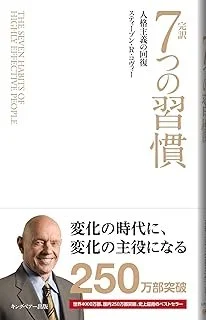
Begin with the End in Mind: Stop Overthinking and Clarify Your TOEIC Goal
Stuck in the Over Thinker Block? Learn how to "Begin with the End in Mind" from The 7 Habits. This article reveals a simple "3 Why Layers" exercise to transform your TOEIC goal from just a number into a powerful, life-driven mission.
“I don’t know where to start.”
You open a TOEIC textbook.
You scroll through online tips.
You try to make a perfect study plan.
But every option leads to more questions.
You feel stuck in a loop of planning and doubting.
This is The Over Thinker Block.
The Over Thinker Block — Lost in Details, Moving Nowhere
Overthinkers are not lazy.
They care too much.
They want to succeed, so they try to cover everything.
But TOEIC is a trap of endless resources.
If you don’t define your purpose,
you’ll waste time trying to do everything, but achieving nothing.
Begin with the End in Mind — Define Your “Why” Before You Start
In The 7 Habits of Highly Effective People, Stephen Covey teaches:
“All things are created twice. First in the mind, then in reality.”
Most learners jump into study tasks without a clear vision of where they’re going.
Covey’s principle teaches you to first visualize the outcome — your "why" — and then design your daily actions to match.
When your goal is clear, every task becomes meaningful.
You stop being reactive. You start being intentional.
MTC’s Truth: Clarifying Your TOEIC Goal is Clarifying Your Life Direction
At MTC, we believe TOEIC is not just a test.
It’s a mirror of how you approach life.
If you’re lost in TOEIC details, you’re probably lost in life’s details too.
Clarifying your TOEIC goal is practice for defining what truly matters in your life.
When you train your mind to “begin with the end in mind” for TOEIC,
you’re building the life skill of intentional action.
ALT Habit: The “3 Why Layers” Goal Clarification Exercise
Here’s how to transform your vague TOEIC goal into a life-driven mission:
Write down your TOEIC goal.
Example: “Score 700.”Ask: Why do I want this score?
Example: “To qualify for a promotion.”Ask: Why do I want that promotion?
Example: “To gain financial freedom.”Ask: Why is that financial freedom important?
Example: “So I can support my family and feel secure.”
Now, your study is no longer about "getting a score."
It’s about fulfilling a meaningful life goal.
Why This Works (Even If You’ve Been Stuck Planning Forever)
It gives every study session a deeper purpose. You know why you’re doing it.
It cuts through overwhelm. You stop chasing every tip and focus on tasks that move you closer to your “end.”
It shifts your identity. You’re not just a “TOEIC test-taker.” You’re someone designing your life with clarity.
A TOEIC Goal is Not Just a Number — It’s a Mirror of Your Life’s Purpose
TOEIC is just a tool.
The real win is not the score.
The real win is becoming the kind of person who defines their purpose and takes action toward it.
When you Begin with the End in Mind,
you stop reacting to your environment.
You become the creator of your learning journey — and your life.
Want to Learn More?
Our blog is full of practical strategies that help test-takers like you build better habits, overcome common blocks, and improve TOEIC scores through smarter, easier methods. Try our free TOEIC Block quiz now!

Don’t Just Study. Exercise: How to Boost Your TOEIC Focus and Memory
You're studying hard, but nothing sticks. The problem isn't what you study, but how. Discover how movement supercharges your brain's processing power. This article, inspired by The Exercise Brain, reveals a "Walking Dictation Drill" to beat the Passive Listener Block and Speed Trap.
“I study, but nothing sticks.”
You read.
You listen.
But when it’s time to recall the information, your mind goes blank.
You’re not lacking intelligence.
Your brain is stuck in The Passive Listener Block or Speed Trap.
The problem isn’t what you’re studying — it’s how your brain is processing it.
Exercise Supercharges Your Brain’s Processing Power
In The Exercise Brain, Anders Hansen explains:
Exercise is the most effective way to improve focus, memory, and processing speed.
Here’s why:
Dopamine and norepinephrine increase — boosting attention and learning efficiency.
Hippocampus activation improves — enhancing memory retention.
Cognitive flexibility rises — your brain gets faster at switching tasks and problem-solving.
In simple terms:
Movement makes your brain sharper and faster at learning.
MTC’s Truth: Exercise is Not a Break From Study — It’s a Way to Study Smarter
Many TOEIC learners separate “study time” and “exercise time.”
At MTC, we merge them.
Physical activity enhances study performance.
When combined with a micro-learning task,
exercise transforms from “lost time” to “brain-boosted study.”
ALT Habit: The “Walking Dictation Drill” for Listening and Focus
Here’s a simple habit that fuses exercise with effective TOEIC practice:
Walking Dictation Drill:
Choose a short TOEIC Part 3 or Part 4 audio clip.
Put on your headphones and go for a walk.
As you listen, mentally repeat key phrases out loud or silently.
Stop every minute and jot down (on your phone or small notepad) any keywords or expressions you remember.
Continue walking and repeat.
Why This Works (Even If You’re Easily Distracted)
Boosts auditory processing. Walking helps your brain stay alert and responsive.
Enhances memory recall. Physical movement triggers hippocampus activity, improving retention.
Combines physical and mental focus. Multitasking in this way builds sharper, more flexible cognitive control.
You’re Not a Machine — But You Can Hack Your Brain Like One
Sitting still isn’t always the best way to learn.
The human brain evolved to learn while moving.
By combining light physical activity with listening or reading drills,
you’re tapping into a natural learning boost.
You don’t need more hours at the desk.
You need smarter study movement systems.
Start with 10–15 minutes of Walking Dictation.
Feel your focus sharpen.
Watch your retention rise.
Want to Learn More?
Our blog is full of practical strategies that help test-takers like you build better habits, overcome common blocks, and improve TOEIC scores through smarter, easier methods. Try our free TOEIC Block quiz now!

The Exercise Brain: Your Secret Weapon Against TOEIC Burnout
Skipping exercise doesn't save time; it sabotages your study. Discover why your brain needs movement to beat burnout. This article, inspired by The Exercise Brain, reveals how a simple "10-Minute Reset Walk" can restore focus, boost memory, and make your TOEIC study effective.
“I don’t have time to exercise. I need to study.”
Sound familiar?
You’re busy.
You’re under pressure to improve your TOEIC score.
So you tell yourself:
“I’ll exercise after I get my score.”
“I can’t waste time walking when I should be studying.”
But here’s the truth:
Skipping exercise is making your study harder.
You’re stuck in The Burnout Block.
The Burnout Block — When Studying More Gives You Less
Burnout isn’t about laziness.
It’s a brain system failure.
You push yourself harder.
You sit longer at your desk.
But the more you force it, the slower your brain gets.
Mental fatigue builds up.
Stress hormones like cortisol stay high.
Your ability to concentrate and remember drops.
This is The Burnout Block.
It’s not a motivation problem — it’s a brain chemistry problem.
The Exercise Brain — Why Movement Recharges Your Mind
In The Exercise Brain, Anders Hansen explains:
Exercise is not a distraction from thinking — it’s the switch that turns your brain back on.
Here’s what happens when you move your body:
Dopamine increases — your motivation and focus chemicals rise.
Serotonin balances — mood and emotional control stabilize.
BDNF (Brain-Derived Neurotrophic Factor) increases — a protein that acts like “brain fertilizer,” helping you grow new neural connections and improving memory.
In short:
Exercise repairs the very brain functions that burnout damages.
MTC’s Truth: Exercise Isn’t “Optional” — It’s Part of Your Study System
Most TOEIC learners believe they must choose:
Study or Exercise.
At MTC, we teach this instead:
Exercise is “active recovery” for your brain.
It’s a core part of your study system, not a luxury.
Skipping it isn’t saving time — it’s sabotaging your mental performance.
ALT Habit: The “10-Minute Reset Walk”
You don’t need a gym.
You don’t need fancy equipment.
You need 10 minutes.
Here’s how to integrate exercise into your study system:
Before your next TOEIC study session, set a timer for 10 minutes.
Go for a simple walk — outside, around your home, anywhere.
While walking, breathe deeply and focus on relaxing your shoulders and neck.
Come back and start your study session.
Why This Works (Even If You Feel Too Busy to Exercise)
It lowers cortisol levels. Walking naturally reduces stress hormones that block learning.
It boosts attention span. A short walk improves your focus for the next 30–60 minutes.
It primes your brain for retention. BDNF production enhances your ability to absorb and recall new information.
You Can’t Fix Burnout by Sitting Still
Studying harder won’t fix a brain that’s burned out.
But moving — even just 10 minutes a day — can.
Exercise isn’t a reward after studying.
It’s the tool that makes your study effective.
If you want a sharper, calmer, faster-thinking brain for TOEIC,
start walking.
Want to Learn More?
Our blog is full of practical strategies that help test-takers like you build better habits, overcome common blocks, and improve TOEIC scores through smarter, easier methods. Try our free TOEIC Block quiz now!

Test Day Anxiety? The "Zero-Second Thinking" Guide to Staying Calm
Do you panic on TOEIC test day? It's not a skill problem, it's a "Burnout Block" from mental overload. Discover the "Zero-Second Thinking" routine and a "One-Second Reset" habit to outrun anxiety and stay calm, focused, and in control.
“I always panic on test day…”
You studied.
You practiced.
But as soon as the test starts, your heart races.
Suddenly, your brain feels foggy.
Questions you knew how to solve become confusing.
Your focus is gone.
This isn’t a “skill” problem.
You’re trapped in The Burnout Block.
The Burnout Block — Mental Overload at The Worst Moment
Burnout isn’t just from studying too much.
It happens when your brain gets overloaded under pressure.
Test day magnifies this:
Fear of failure.
Pressure to perform.
Mental fatigue from overthinking.
Result? You freeze, even if you know the content.
The Zero-Second Thinking Solution — Don’t Fight Anxiety, Move Instantly
In Zero-Second Thinking, Akira Ishikawa explains:
“Thinking fast clears the mind. Action removes anxiety.”
The more you “think about thinking,”
the worse your anxiety becomes.
But when you train yourself to respond instantly — without delay —
there’s no space for panic to grow.
You move before your brain has a chance to spiral.
MTC’s Truth: Calmness Comes from Systems, Not Willpower
At MTC, we don’t believe in “just stay calm” advice.
Calmness isn’t a feeling.
It’s a system you build through habits.
On test day, you don’t need to fight anxiety.
You need to follow a simple routine that leaves no room for panic.
ALT Habit: The "Zero-Second Pre-Test Routine" & "One-Second Reset"
Pre-Test Routine (Before the Test Starts):
Take out a blank A4 paper.
Write 3 bullet points:
"Breathe slow"
"Focus on the current question"
"Move on, don’t dwell"
Read it once before entering the test room.
This primes your brain for action, not overthinking.
In-Test Habit (The One-Second Reset):
If you feel panic rising during the test:
Put your pen down.
Close your eyes for 1 second.
Breathe out slowly and move to the next step.
This 1-second break resets your mental clutter and brings you back to clarity.
Why This Works (Even If You’re Always Anxious on Test Day)
It stops overthinking before it snowballs. You create action before anxiety has time to build.
It simplifies your focus. Your brain has one job at a time — not juggling everything.
It builds a calming rhythm. Small, structured actions reduce overwhelm.
You Can’t “Control” Anxiety — But You Can Outrun It
Trying to force yourself to be calm doesn’t work.
But you can create habits that give your brain no space to panic.
Zero-Second Thinking is not about “being fearless.”
It’s about moving forward before fear has a chance to take over.
With a simple pre-test routine and in-test reset,
you can stay calm, stay focused, and stay in control.
Want to Learn More?
Our blog is full of practical strategies that help test-takers like you build better habits, overcome common blocks, and improve TOEIC scores through smarter, easier methods. Try our free TOEIC Block quiz now!

The "A4 Memo" Drill: How to Train Your Brain for Speed in TOEIC
Running out of time on TOEIC isn’t a reading problem; it’s a processing problem. Discover how the "A4 Memo" drill from Zero-Second Thinking can train your brain for speed and clarity, helping you conquer the Speed Trap Block for good.
“I can’t finish TOEIC on time…”
You know the feeling.
Part 5 takes longer than it should.
Part 7? You’re barely halfway through when time runs out.
You’re not bad at reading.
You’re not lazy.
You’re stuck in The Speed Trap Block.
The Speed Trap Block — Slow Processing, Not Lack of Knowledge
The Speed Trap happens when you process information in a messy, unstructured way.
You read every word carefully.
You try to remember every detail.
But TOEIC isn’t testing your memory — it’s testing your ability to organize and act fast.
Speed is not about rushing.
It’s about clarity and structure under pressure.
The “A4 Memo” Technique — Train Your Brain to Think Fast & Clear
In Zero-Second Thinking, Akira Ishikawa introduces the “A4 Memo” habit:
Write your thoughts on an A4 paper, for one minute, as fast as possible.
The goal isn’t to write perfectly.
It’s to train your brain to quickly organize messy thoughts into clear structures.
This practice builds mental speed, not by thinking harder, but by thinking sharper.
MTC’s Truth: TOEIC Speed Comes from Organized Processing — Not Reading Faster
Most learners think they need to "speed up their reading".
But at MTC, we teach:
Speed is not how fast you read.
Speed is how quickly you structure information.
If your brain can instantly categorize what’s important,
you’ll naturally move faster — with accuracy.
ALT Habit: The “1-Minute Outline Drill” (A4 Memo for TOEIC)
Here’s how to use the A4 Memo Drill for TOEIC training:
For Part 5 (Grammar & Vocabulary):
Take 5 random Part 5 questions.
Set a 1-minute timer.
For each question, write down the question type (e.g., grammar, meaning, word form).
Repeat daily until your brain auto-categorizes question types instantly.
For Part 7 (Reading Passages):
Pick a short passage.
Set a 1-minute timer.
Skim the passage and write down 3 keywords that summarize the main idea.
Focus on speedy recognition, not perfect comprehension.
Why This Works (Even If You’re a Slow Reader Now)
It builds “structure reflexes.” Your brain gets used to categorizing before over-analyzing.
It shifts focus to essential information. You stop wasting time on irrelevant details.
It lowers time-pressure stress. You’ll feel in control, even with limited time.
TOEIC Doesn’t Reward Careful Reading — It Rewards Smart Reading
Reading slowly and carefully feels safe.
But TOEIC is a time-pressure challenge.
You don’t need to “read faster.”
You need to process smarter.
The A4 Memo Drill isn’t about writing.
It’s about training your brain to organize and decide — instantly.
One minute a day is enough to start breaking the Speed Trap.
Want to Learn More?
Our blog is full of practical strategies that help test-takers like you build better habits, overcome common blocks, and improve TOEIC scores through smarter, easier methods. Try our free TOEIC Block quiz now!

Why More Study Time Doesn’t Always Help Your TOEIC Score
Struggling with TOEIC study despite long hours? Discover why more time doesn't mean more progress. Learn the simple, science-backed method of short, focused bursts to build real habits and boost your score.
(and What Actually Does)
Let’s be honest.
You set aside two hours to study. You open your books. You get started.
Then you check your phone. Answer a message. Re-read the same sentence.
And by the end, you’re not sure what you actually learned.
Sound familiar?
You’re not lazy. You’re not unmotivated.
You’ve just hit a common problem: more time doesn’t always mean more progress.
🧠 Old Thinking: “Study More, Score More”
From school days, we were told:
“If you want better results, study longer.”
And sure — that worked in school.
Teachers praised time and effort. You got points for trying.
But real learning doesn’t work that way.
Your brain has limits.
After a certain point, your focus fades, your memory drops, and the time just… vanishes.
You were trained to believe that longer = better.
But Accelerated Learning for TOEIC shows something different.
🔁 What Accelerated Learning for TOEIC Recommends Instead
Accelerated Learning for TOEIC is built on how the brain actually works.
The key idea?
You learn more when you study in short, focused bursts — not long, tiring sessions.
Here’s the simple approach:
Study for 25 to 40 minutes with full focus
Stop
Come back later and review
Repeat across several days, not all in one go
This style uses your brain’s natural rhythm — and avoids burnout.
📏 Let’s Do the Math
Think 10 minutes a day isn’t enough? Let’s break it down:
10 minutes every day = 70 minutes a week
10 minutes, twice a day = over 2 hours a week
20 minutes, twice a day = almost 5 hours a week
And here’s the thing:
Waiting for ramen? That takes longer.
Lining up for doughnuts? Easily more than 10 minutes.
Scrolling Instagram before bed? Probably way more than that.
You have the time.
The trick is using it intentionally — and repeatedly.
📱 Make It a Habit, Not a Battle
You don’t need a perfect study routine.
You need one that’s easy to keep doing.
Here’s where those 10-minute bursts can go:
On the train
After lunch
Right before bed
While waiting in line
During a coffee break
It doesn’t have to be dramatic.
It just has to be regular.
And when you repeat it — day after day — your brain starts to lock it in.
✅ The Takeaway
Forget the pressure to sit down for two hours every night.
Most of that time disappears anyway.
Instead, use what actually works:
Short bursts
Daily habits
Smart repetition with space to breathe
Because real learning isn’t about how long you study —
It’s about how often your brain sees the right things, at the right time.
Try 10 minutes now.
Then again tomorrow.
Then again the next day.
Small. Focused. Repeated.
That’s how real change happens.
Want to Learn More?
Our blog is full of practical strategies that help test-takers like you build better habits, overcome common blocks, and improve TOEIC scores through smarter, easier methods. Try our free TOEIC Block quiz now!
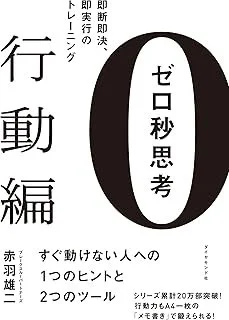
Stop Overthinking: The Zero-Second Thinking Habit for TOEIC
Do you overthink every TOEIC question? It’s a trap that makes you slow. Discover the "Zero-Second Thinking" mindset and learn a simple "1-Second Problem ID" drill to train your brain to make fast, accurate decisions without hesitation.
考えすぎを止める「ゼロ秒思考」の習慣:TOEICで迷わない脳を作る
“I always get stuck thinking too much.”
You see a TOEIC question.
Your brain starts spinning:
“What’s the trick here?”
“Should I eliminate wrong answers first?”
“What if I miss a detail?”
And by the time you’re ready to answer…
The timer’s almost up.
If this is you, you’re trapped in The Over Thinker Block.
The Over Thinker Block — Paralysis by Analysis
Overthinking feels safe.
You think, “If I analyse more, I’ll get it right.”
But in TOEIC, overthinking is a trap.
Every extra second you spend “double-checking” is a second lost from the next question.
The result?
You run out of time.
You get exhausted.
Your accuracy drops.
The Zero-Second Thinking Mindset — Decide Instantly, Act Clearly
In Zero-Second Thinking, Akira Ishikawa teaches this core principle:
“The faster you think, the clearer your mind becomes.”
It sounds backwards.
But it works.
Instead of sitting with thoughts and “figuring them out,”
you train yourself to decide instantly and move.
This stops analysis paralysis.
It clears mental clutter.
And it builds speed without losing accuracy.
MTC’s Truth: TOEIC Success Comes from Fast, Focused Thinking — Not Endless Analysis
At MTC, we see this mistake every day:
Learners believe that if they just “think harder,” they’ll find the answer.
But TOEIC rewards quick decision-making.
Success comes from identifying the core problem in a question — instantly.
The deeper you think, the slower you get.
ALT Habit: The “1-Second Problem ID” Drill
Here’s a simple way to practice Zero-Second Thinking for TOEIC:
Take a Part 5 or Part 7 question.
Before reading all the details, ask yourself:
“What is this question really asking?”Give yourself 1 second to answer that. Not 5. Not 10. Just 1.
Then proceed to solve it.
At first, you’ll feel rushed.
But with practice, your brain learns to cut the noise and spot the core issue immediately.
Why This Works (Even If You’re Used to Overthinking Everything)
It forces clarity. You stop wandering through options and focus on the problem.
It speeds up processing. You condition your brain to act, not hesitate.
It reduces mental fatigue. Less time stuck in your head means more energy for the next question.
Overthinking Feels Smart — But It’s Holding You Back
You don’t need to “analyze more.”
You need to decide faster.
Zero-Second Thinking isn’t reckless.
It’s a skill.
A muscle.
The more you practice instant clarity,
the more confident, accurate, and fast you’ll become.
Start training your 1-second brain today.
That’s how you’ll stop overthinking and start scoring.
Want to Learn More?
Our blog is full of practical strategies that help test-takers like you build better habits, overcome common blocks, and improve TOEIC scores through smarter, easier methods. Try our free TOEIC Block quiz now!
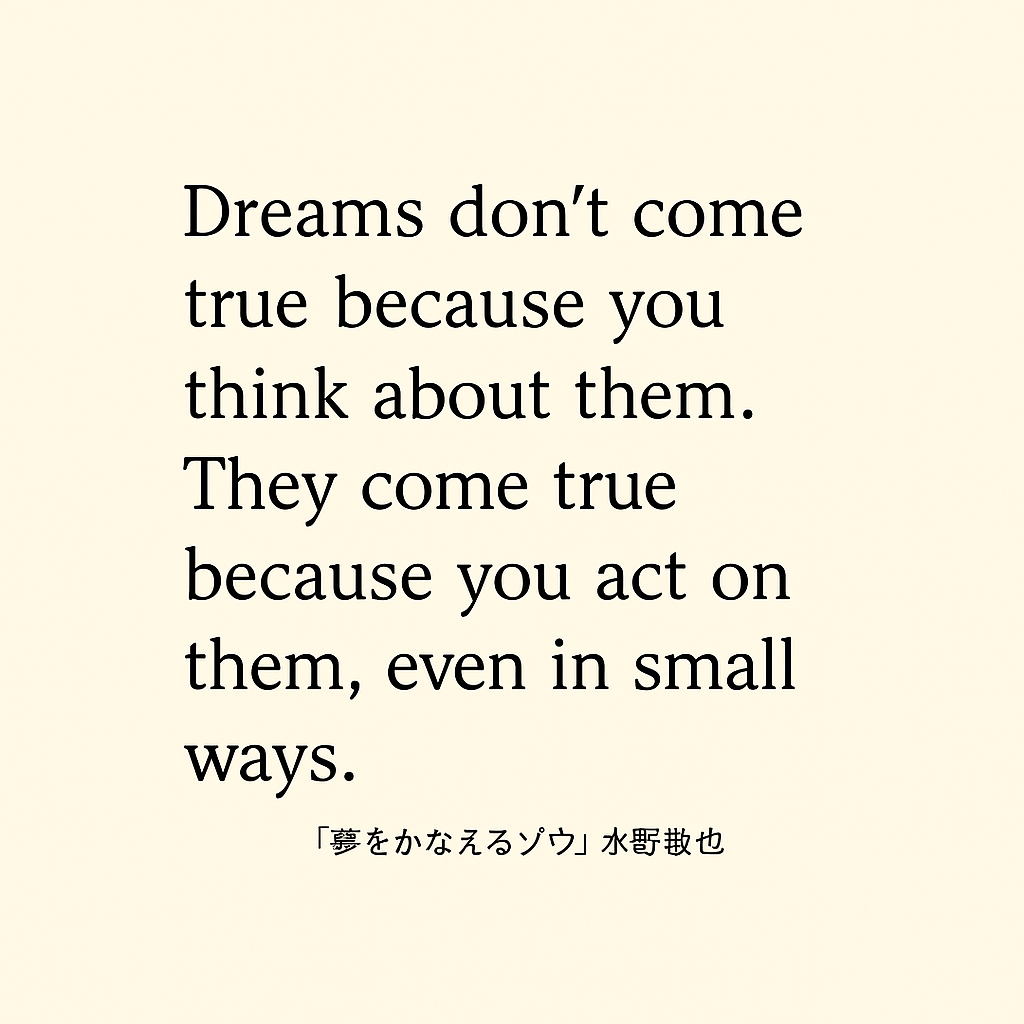
The Elephant's Big Dream: Why Your TOEIC Goal is Not Your Problem
Your big TOEIC goal is paralyzing you. Inspired by The Elephant Who Grants Wishes, discover how to break the Over Thinker Block by turning your big dream into a single, small daily task. Learn how stacking tiny victories is the real secret to achieving a high score.
ゾウの大きな夢:あなたのTOEIC目標は問題ではない
“My goal is too big… I don’t know where to start.”
You want a high TOEIC score.
You dream of changing jobs, studying abroad, or proving your skills.
But every time you sit down to study, that big goal feels like a heavy weight.
You think:
“I need a perfect study plan.”
“I need to figure out the fastest way.”
“I need to fix everything at once.”
And you end up doing… nothing.
If this is you, you’re stuck in The Over Thinker Block.
The Over Thinker Block — Paralyzed by The “Perfect Plan” Illusion
The Over Thinker Block happens when you believe you need to solve the entire TOEIC problem before you can start.
You over-plan, over-analyse, over-worry.
You’re so busy thinking about the mountain, you never take the first step.
Ganesha’s Lesson: Big Dreams Are Built from Small, Repeated Actions
In The Elephant Who Grants Wishes, Ganesha teaches the main character that dreams don’t come true by making perfect plans.
They come true by doing small tasks, over and over.
Want to be rich?
Start saving 100 yen a day.
Want to be successful?
Start greeting people properly.
Dreams are not achieved through big, dramatic actions.
They’re built from small habits that compound over time.
MTC’s Truth: Your TOEIC Goal is Fine — Your Focus is What’s Broken
You don’t need to lower your TOEIC goal.
You don’t need to have it all figured out.
The problem is where you’re focusing.
At MTC, we teach this:
Stop thinking about the 600+ score.
Start thinking about the 1 action you can take today.
That’s where progress starts.
ALT Habit: Break The Goal into a One-Today Task
Here’s a practical way to stop overthinking and start moving.
Write down your TOEIC goal (e.g., “Score 700 in 6 months”).
Under it, write: “What can I do today to move 1% closer?”
Pick one small, specific action (e.g., “Review yesterday’s mistakes for 5 minutes.”)
Do it.
That’s it.
One day. One task. One small win.
Why This Works (Even If You’ve Been “Stuck” for Months)
It removes mental overload. You stop worrying about everything and focus on one thing.
It builds visible momentum. Daily small wins create real progress.
It reduces failure fear. You’re not betting on “big efforts” — you’re stacking tiny victories.
Big Dreams Are Not Achieved — They Are Built, Brick by Brick
You don’t need a perfect plan.
You don’t need to solve everything today.
You need a system where small actions build into big outcomes.
The Elephant doesn’t grant wishes with magic.
He grants them with habits.
Start with one small action today.
That’s how big dreams become real.
Want to Learn More?
Our blog is full of practical strategies that help test-takers like you build better habits, overcome common blocks, and improve TOEIC scores through smarter, easier methods. Try our free TOEIC Block quiz now!

📝 TOEIC Beginner, Where to Start?
TOEIC beginner and don't know where to start? Discover MTC's simple "first step" strategy to build a sustainable habit, avoid burnout, and create real momentum for your score.
📝 TOEIC Beginner, Where to Start?
Your First Step to Avoid Burnout
You’ve decided to take on the TOEIC.
You opened a textbook.
You downloaded a few apps.
You watched some YouTube videos.
And then… you froze.
Why does everyone else seem to already know what to do?
Where’s the clear “first step” for people starting from zero?
Let’s fix that — right now.
🧭 Start Where You Are. Really.
Most beginners quit not because they’re lazy — but because they try to do too much, too fast.
They think they need:
A full grammar textbook
60-minute study blocks every day
Some magic method that makes everything stick instantly
They don’t.
If you’re just starting, your only goal is simple:
Start a habit. Not a perfect one. Just a real one.
⏱️ Try This: 10 Minutes a Day
Set a timer for 10 minutes.
Open a notebook and write the day: “Day 1”
Pick one simple English word or sentence. Write it. Speak it aloud. Write your own example.
Done? Great. That’s your first step.
Do it again tomorrow.
You’ve just started a momentum loop — and that’s way more powerful than a downloaded PDF or fancy app.
🌱 You Don’t Need Everything. Just Something Small to Begin.
You don’t need to buy a bunch of books.
You don’t need a perfect plan.
You just need:
A notebook
A pen
A phone timer
A clear reason why this matters to you
That last one? That’s the anchor.
Are you doing this to change jobs?
To prove something to yourself?
To feel confident again?
Write that reason down on page 1 of your notebook.
💬 Ask for Guidance When You Need It
No one gets extra points for doing everything alone.
If you’re stuck, confused, or overwhelmed — talk to someone.
Even our AI assistant on this site can help you get started.
(And it won’t judge you for asking!)
🎯 The Hardest Part is Starting — But You Just Did.
You don’t need to be perfect.
You don’t need to be fluent.
You don’t even need to be confident — not yet.
All you need is to begin.
You did that today.
Now… do it again tomorrow.
Let the momentum carry you.
We’re here when you’re ready for the next step.
Want to Learn More?
Our blog is full of practical strategies that help test-takers like you build better habits, overcome common blocks, and improve TOEIC scores through smarter, easier methods. Try our free TOEIC Block quiz now!
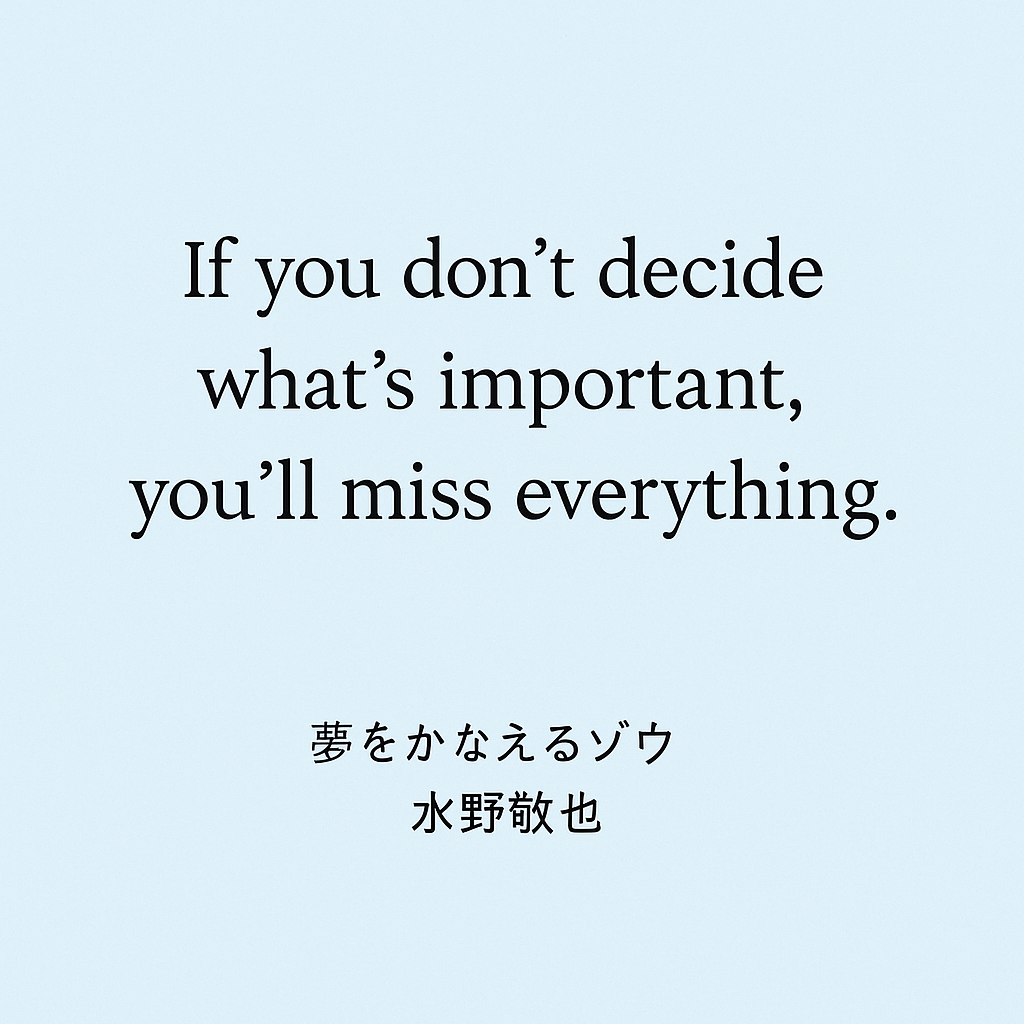
Listen Like an Elephant: The Secret to Going from Passive to Active
Do you listen to TOEIC audio but remember nothing? You're stuck in the Passive Listener Block. Discover Ganesha's lesson from The Elephant Who Grants Wishes and learn the "Listen for Just One Keyword" habit to shift from passive to active listening and finally make progress.
ゾウのように聴く:受け身のリスニングから卒業する方法
“I listen, but nothing sticks.”
Sound familiar?
You sit down to do a TOEIC Listening drill.
You press play.
You hear the words.
But when the question ends, your mind is blank.
You think:
“I was listening. Why didn’t I catch anything?”
If this is you, you’re not bad at listening.
You’re stuck in The Passive Listener Block.
The Passive Listener Block — Hearing Everything, Remembering Nothing
Many learners believe that “listening practice” means… just listening more.
But passive listening is like driving on autopilot.
Your ears are on, but your brain is not processing.
This is the Passive Listener Block.
It’s not about how much you listen.
It’s about how you listen.
Ganesha’s Lesson: Be Present, Not Perfect
In The Elephant Who Grants Wishes, Ganesha teaches that real change happens when you are present.
The tasks he gives are simple, but they require full attention.
For example:
When you greet someone, don’t just say “Hello.”
Notice their expression. Their mood. Their reaction.
It’s not about saying perfect words.
It’s about being aware and intentional.
Listening is the same.
MTC’s Truth: TOEIC Listening Is Not a Passive Skill — It’s Active Work
The biggest TOEIC listening mistake?
Thinking you can “absorb” English just by playing audio.
At MTC, we teach that listening is active decision-making.
Your ears hear.
But your brain must choose:
What am I listening for?
That’s the switch from passive to active.
ALT Habit: Listen for Just One Keyword
Here’s a simple way to practice active listening — without getting overwhelmed.
Play a TOEIC Part 3 or Part 4 audio clip.
Decide on one keyword you will listen for (e.g., “schedule,” “problem,” “reservation”).
Play the audio and focus only on that word.
When you catch it, pause and note: What was the situation?
That’s it.
One keyword.
One clear focus.
Why This Works (Even If You’ve “Listened” a Million Times Before)
It forces your brain to make a decision. You’re not just hearing — you’re searching.
It builds focus muscle. Catching one word trains you to process, not just hear.
It creates small wins. Each success tells your brain: “I can do this.”
Stop “Listening More.” Start “Listening Smarter.”
You don’t need to double your study hours.
You don’t need new materials.
You need a new way of listening.
One keyword.
One focus point.
One habit that shifts you from passive to active.
The Elephant wouldn’t tell you to work harder.
He’d tell you to pay attention.
Want to Learn More?
Our blog is full of practical strategies that help test-takers like you build better habits, overcome common blocks, and improve TOEIC scores through smarter, easier methods. Try our free TOEIC Block quiz now!